Introduction
There’s something undeniably comforting about a wood pattern. It feels warm underfoot, inviting on a wall, and timeless in furniture. Whether you notice it consciously or not, the natural flow of grain, knots, and texture instantly influences how a space makes you feel.
From rustic cabins to ultra-modern apartments, the wood pattern remains one of the most versatile and beloved design elements in architecture and interior decor. But here’s the thing—choosing the right one isn’t just about looks. It’s about durability, ambiance, and even psychology.
In this in-depth guide, you’ll discover everything you need to know about wood patterns: the different types, how they’re formed, where they work best, and how to use them strategically in your home or project.


Types of Wood Pattern
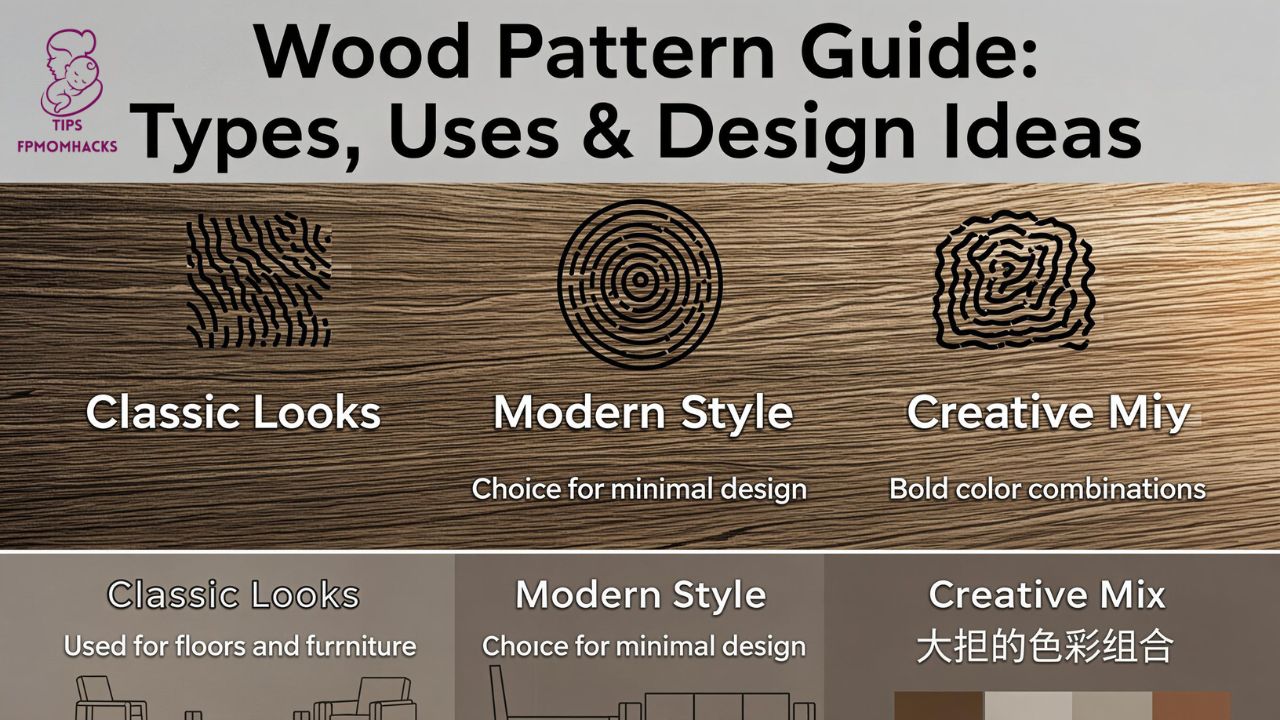
Understanding the different types of wood pattern helps you select materials more intentionally. Each variation tells a visual story shaped by the tree’s growth and cutting method.
Straight Grain Pattern
This is the most common and subtle wood pattern. The grain runs parallel, creating a clean and linear look.
- Ideal for minimalist interiors
- Frequently seen in oak and maple
- Creates a calm, organized aesthetic
Wavy or Curly Pattern
Wavy grains add movement and texture. They’re often found in decorative hardwoods like maple.
- Adds visual depth
- Works beautifully in statement furniture
- Popular in luxury cabinetry
Knotty Pattern
Knots are remnants of branches within the tree trunk. While some consider them imperfections, others see them as character.
- Common in pine and cedar
- Perfect for rustic or farmhouse styles
- Adds authenticity and warmth
Burl Pattern
Burl wood forms from abnormal growths. The result is a highly intricate and rare pattern.
- Used in high-end furniture
- Expensive and limited
- Visually dramatic
How Wood Pattern Is Formed
A wood pattern isn’t random. It’s influenced by:
- Tree species
- Climate conditions
- Growth rate
- Cutting method (plain-sawn, quarter-sawn, rift-sawn)
For example, quarter-sawn oak creates straighter lines and visible medullary rays, producing a more refined look. In contrast, plain-sawn lumber results in cathedral-like arches.
This biological and mechanical interplay determines the final appearance you see in furniture or flooring.
Popular Wood Pattern Styles in Interior Design
Design trends constantly evolve, but wood remains timeless. However, the way we use it changes.
Rustic and Farmhouse
Heavy knots, distressed textures, and visible grain dominate this style. The wood pattern becomes a focal point rather than a background element.
Scandinavian Minimalism
Light oak or ash with subtle grain works best here. The pattern is present but understated.
Industrial Modern
Darker tones like walnut or smoked oak provide contrast against metal and concrete elements.


Wood Pattern in Flooring Applications
Flooring is where the wood pattern has maximum visual impact. According to the National Association of Realtors, hardwood floors can increase a home’s resale value by up to 2.5%.
Common Flooring Patterns
| Pattern Type | Description | Best For |
|---|---|---|
| Plank | Straight boards in parallel | Modern homes |
| Herringbone | Zig-zag layout | Elegant spaces |
| Chevron | Angled symmetry | Luxury interiors |
| Parquet | Geometric shapes | Classic homes |
The direction of planks can even influence perceived room size. Horizontal layouts widen a room visually, while vertical layouts elongate it.
Wood Pattern for Walls and Ceilings
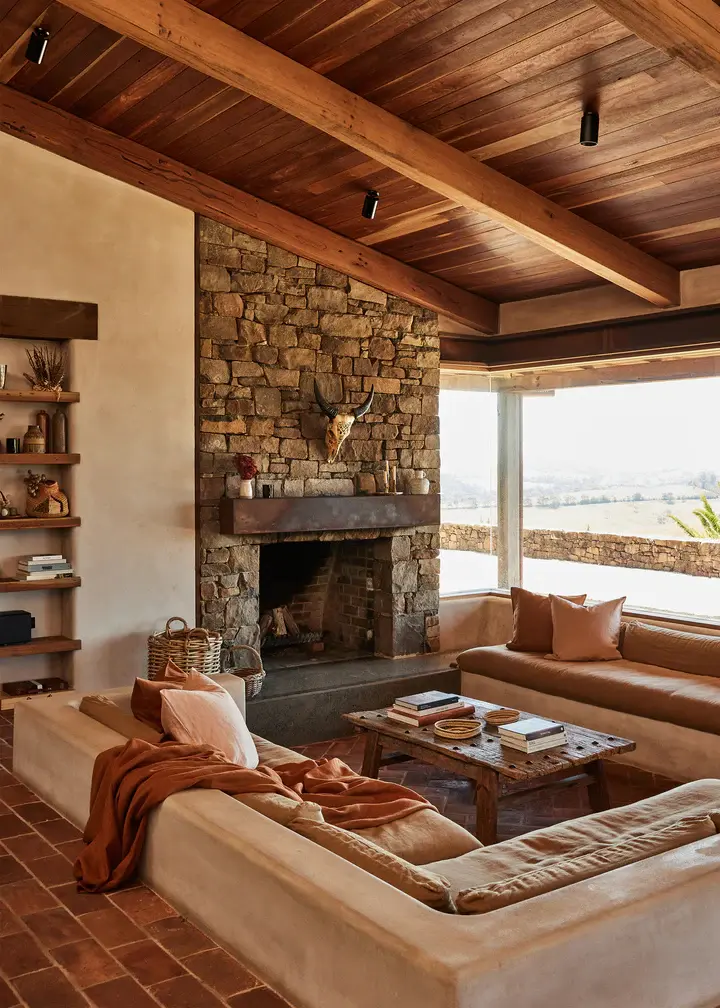
Accent walls featuring wood paneling are increasingly popular. They introduce warmth without overwhelming the space.
- Vertical panels create height
- Horizontal panels add width
- Reclaimed wood introduces texture
Ceilings, often called the “fifth wall,” also benefit from subtle wood patterns. Beams and planks create architectural interest.
Engineered vs. Natural Wood Pattern
Not all wood patterns come from solid timber. Modern manufacturing allows for engineered wood, laminate, and vinyl planks that replicate natural grain.
Natural Wood
- Unique grain in every piece
- Higher cost
- Requires maintenance
Engineered Wood
- Stable under humidity changes
- More affordable
- Consistent pattern repetition
While engineered materials mimic authentic grain remarkably well, close inspection often reveals repeating motifs. That said, technology has significantly improved realism.
Choosing the Right Wood Pattern for Your Space
Selecting the right wood pattern involves more than personal taste. Consider:
- Room size
- Natural lighting
- Existing color palette
- Lifestyle (pets, kids, heavy traffic)
For small spaces, lighter wood tones with subtle grain prevent visual clutter. In contrast, large rooms can handle bold textures and darker hues.
A designer once said, “Grain direction is like body language for a room.” And honestly, that’s accurate. It guides your eyes, shapes perception, and affects mood.
Maintenance and Longevity of Wood Pattern
A beautiful <strong>wood pattern</strong> can last decades—if properly maintained.
Basic Care Tips
- Sweep regularly
- Use microfiber mops
- Avoid excess moisture
- Apply protective finishes
Hardwood floors may require refinishing every 7–10 years, depending on wear. Engineered alternatives typically last 20–30 years.
Ignoring maintenance leads to fading, scratching, and warping—issues that compromise the integrity of the wood pattern.
Wood Pattern in Digital and Graphic Design
Interestingly, the wood pattern isn’t limited to physical materials. It’s widely used in:
- Website backgrounds
- Branding elements
- Packaging design
- Texture overlays
Digital wood textures create warmth and authenticity in visual communication. However, resolution and realism matter. Poor-quality textures appear artificial and reduce credibility.


FAQ
What is a wood pattern?
A wood pattern refers to the visible grain, texture, and visual markings formed naturally in timber or replicated in engineered materials.
Which wood pattern is best for flooring?
Straight grain oak is one of the most popular options due to durability and timeless appeal.
Does wood pattern affect room size perception?
Yes. Lighter tones and subtle grain make rooms feel larger, while darker, bold grains add intimacy.
Is engineered wood pattern realistic?
Modern manufacturing produces highly realistic grain visuals, though repetition may occur.
How long does natural wood flooring last?
With proper care, it can last 50–100 years.
Can wood pattern be used in modern design?
Absolutely. Clean, straight grain varieties work exceptionally well in contemporary interiors.
Conclusion
The beauty of a wood pattern lies in its balance between nature and craftsmanship. It carries history within its rings and personality within its grain. Whether you’re designing a cozy living room, selecting flooring for a new build, or crafting digital artwork, understanding wood patterns allows you to make smarter, more confident choices.
In the end, wood isn’t just a material—it’s an experience. And when you choose the right pattern, you’re not just decorating a space. You’re shaping how it feels for years to come.