
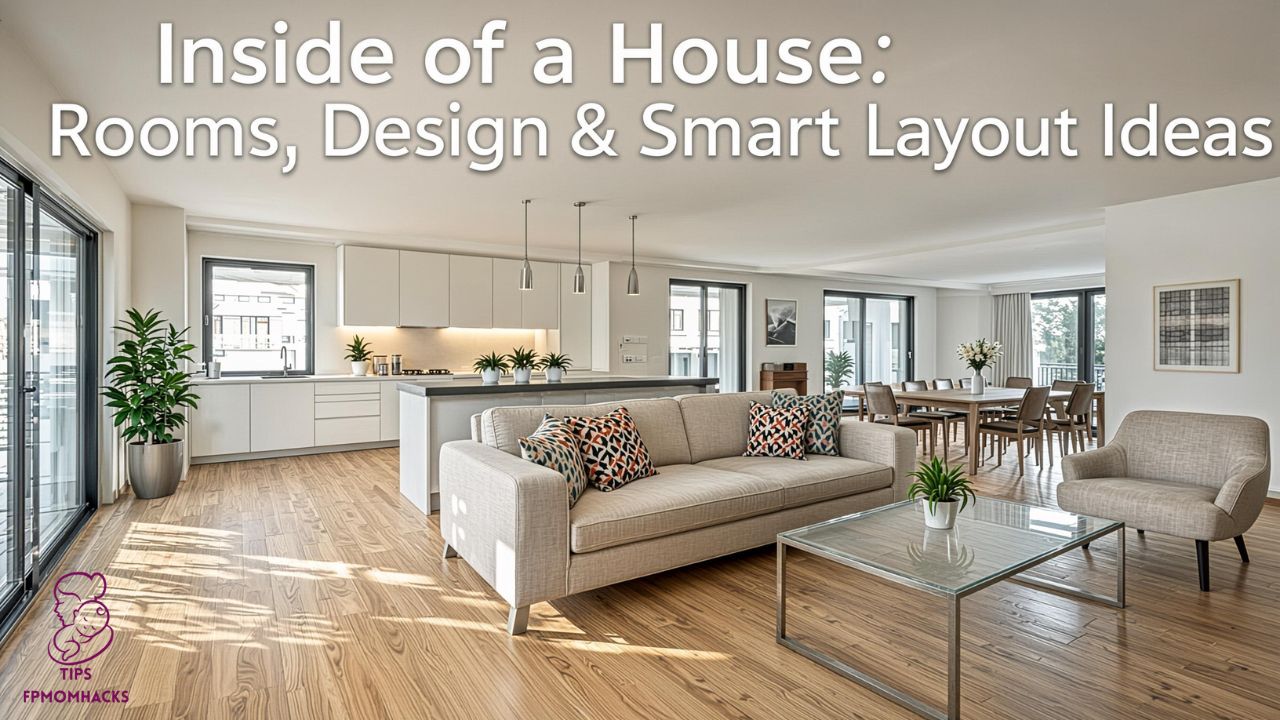
Introduction
Have you ever walked into a home and instantly felt at ease—like everything just works? That feeling usually comes from thoughtful planning inside of a house, where space, light, and function blend seamlessly.
When we talk about the inside of a house, we’re not just referring to walls and furniture. We’re talking about how rooms connect, how natural light moves across the floors, and how everyday life unfolds within those spaces. It’s where morning coffee tastes better, where laughter echoes down hallways, and where comfort becomes tangible.
Understanding the structure and design inside of a house matters more than many people realize. Whether you’re buying, renovating, decorating, or simply curious, the interior layout directly affects mood, productivity, and even long-term property value.
Let’s step through the doors and explore what truly makes the inside of a house functional, beautiful, and meaningful.

The Fundamental Structure Inside of a House
The inside of a house is typically divided into public, semi-private, and private zones. This zoning concept is foundational in residential architecture.
Public Areas
These are the spaces guests see first:
- Living room
- Dining room
- Entryway or foyer
Public spaces are designed for interaction and hospitality. They often feature open layouts to encourage conversation and flow.
Semi-Private Areas
- Kitchen
- Family room
- Home office
These spaces blend functionality with social interaction.
Private Areas
- Bedrooms
- Bathrooms
- Walk-in closets
Privacy and comfort dominate design decisions here.
In modern residential planning, designers focus on circulation patterns—how people move inside of a house without congestion or awkward transitions.
Main Living Spaces and Their Functions
Living Room
The living room is typically the social anchor. It’s where families relax after long days.
Key elements:
- Comfortable seating
- Proper lighting (ambient + task)
- Focal point (TV, fireplace, art wall)
According to housing trend reports, over 60% of homeowners prioritize natural light in living rooms.
Dining Area
Whether formal or casual, the dining space influences daily routines.
Modern homes often combine:
- Kitchen + dining
- Living + dining
- Open-concept great rooms
This layout maximizes space efficiency inside of a house, especially in urban settings.
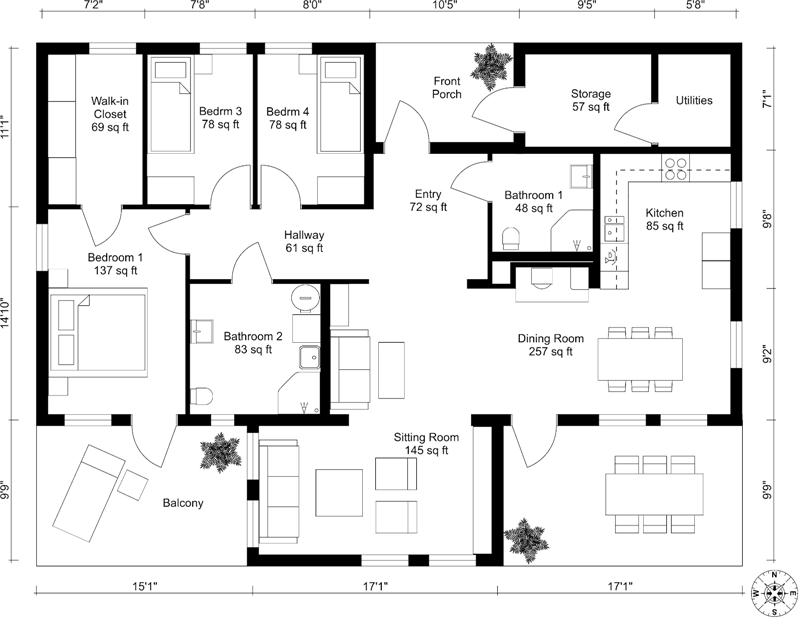
Bedrooms and Private Retreats
Bedrooms are personal sanctuaries. They reflect personality and emotional comfort.
Primary Bedroom
Features often include:
- En-suite bathroom
- Walk-in closet
- Reading nook
Design tip: Soft textures and neutral tones promote relaxation.
Children’s Bedrooms
Functionality matters:
- Study desks
- Storage solutions
- Flexible furniture
Inside of a house, bedrooms directly impact sleep quality. Studies show that lighting temperature and room color influence rest patterns.
Kitchens: The Heart Inside of a House
If there’s one room that defines modern living, it’s the kitchen.
The inside of a house often revolves around this space. Families gather here for meals, conversations, and celebrations.
The Kitchen Work Triangle
Designers use the “work triangle” concept:
- Sink
- Refrigerator
- Stove
These three points should form a triangle for efficient movement.
Modern Kitchen Features
- Quartz countertops
- Smart appliances
- Island seating
- Energy-efficient lighting
Open kitchens enhance interaction, making the inside of a house feel larger and more welcoming.
Bathrooms and Utility Areas
Bathrooms have evolved from purely functional spaces into wellness retreats.
Essential Components
- Ventilation
- Waterproof materials
- Proper drainage
Modern Trends
- Walk-in showers
- Floating vanities
- Heated floors
Utility spaces—laundry rooms, storage closets—may not be glamorous, but they are essential inside of a house for daily convenience.
Hallways, Storage, and Transitional Spaces
Often overlooked, hallways and corridors determine how fluid the interior feels.
Design strategies:
- Add wall lighting
- Use mirrors to widen appearance
- Incorporate built-in shelves
Storage solutions:
- Under-stair compartments
- Hidden cabinets
- Multi-functional furniture
Efficient storage keeps clutter under control and enhances the functionality inside of a house.
Interior Design Styles and Layout Concepts
Open Concept
Combines:
- Kitchen
- Dining
- Living
This layout increases perceived space and natural light.
Traditional Layout
Clearly separated rooms for privacy and noise control.
Minimalist Design
- Neutral palettes
- Clean lines
- Limited décor
Minimalism emphasizes simplicity inside of a house.
Rustic & Farmhouse
- Wooden beams
- Natural textures
- Warm lighting
Each style shapes how the inside of a house feels emotionally.

Smart Technology and Modern Innovations
Technology has transformed interiors dramatically.
Popular smart features:
- Smart thermostats
- Voice-controlled lighting
- Security systems
- Automated blinds
Smart home integration improves:
- Energy efficiency
- Security
- Convenience
In 2024, smart home adoption increased significantly, reflecting how tech now defines the modern inside of a house.
Personal Background: Interior Designers and Financial Insights
Many renowned interior designers began with a passion for architecture or fine arts. Their careers evolved through:
- Formal design education
- Apprenticeships
- Portfolio development
Top designers often collaborate with architects and developers.
Career Journey
Entry-level designers typically start with residential projects. Over time, experience leads to:
- Luxury home projects
- Commercial design
- Media exposure
Estimated Net Worth
Successful interior designers can earn six to seven figures annually, depending on clientele and reputation. High-profile designers with global brands often accumulate multi-million-dollar net worth through:
- Design services
- Product lines
- Book deals
- Television appearances
Their financial growth reflects how influential the interior environment inside of a house can be in shaping lifestyles.
Frequently Asked Questions
What rooms are typically inside of a house?
Most houses include living room, kitchen, dining area, bedrooms, bathrooms, and storage spaces.
How can I make the inside of a house look bigger?
Use mirrors, lighter paint colors, open layouts, and minimal furniture.
What is the most important room inside of a house?
The kitchen is often considered central because of daily usage and social interaction.
How does lighting affect the inside of a house?
Lighting impacts mood, productivity, and even sleep cycles.
What is an open-concept interior?
It combines multiple rooms into one continuous space.
How much does interior renovation cost?
Costs vary widely depending on size, materials, and labor. Small upgrades may cost thousands; full remodels can reach six figures.
Why is storage important?
Proper storage reduces clutter and improves functionality.
How often should interiors be updated?
Most experts suggest minor refreshes every 5–7 years.
Conclusion
The inside of a house is far more than a collection of rooms. It’s a living, breathing environment that shapes daily experiences, emotions, and relationships. From carefully designed kitchens to peaceful bedrooms, every corner contributes to comfort and functionality.
Whether you’re redesigning, buying, or simply observing, understanding how spaces interact gives you a deeper appreciation for what truly makes a house feel like home.