
Introduction
What makes a place feel like home? For many people today, that answer is wrapped up in one evolving word: houz. While it may look like a stylized version of “house,” houz represents something much broader — a concept that blends architecture, lifestyle, digital platforms, and personal identity.
In recent years, houz has emerged as a cultural and design-driven term reflecting how people think about living spaces in the modern world. It’s not just about walls and a roof anymore. It’s about experience, functionality, aesthetics, sustainability, and even online communities built around home inspiration.
Whether you’re planning to build, buy, renovate, or simply understand the deeper meaning behind houz, this guide will walk you through everything you need to know — from design trends and investment insights to lifestyle impact and future possibilities.

What Is Houz?
At its core, houz refers to a modern interpretation of a house — one that integrates design thinking, technology, and lifestyle philosophy. Unlike a traditional home, houz emphasizes:
- Personal expression through architecture
- Functional yet aesthetic interiors
- Smart home integration
- Community-driven inspiration
- Sustainability
In simple terms, houz is where structure meets story.
The Concept Behind Houz
The shift from “house” to houz isn’t accidental. It reflects how branding and digital culture reshape familiar concepts. Just like tech startups reimagine industries with minimalistic names, houz signals modernity, innovation, and creative redefinition.
In reality, today’s homeowners don’t just want square footage. They want:
- Open-concept layouts
- Energy efficiency
- Flexible work-from-home areas
- Outdoor-indoor living flow
That’s what the houz philosophy delivers.
The Evolution of Houz in Modern Living
The way we design and think about homes has changed dramatically over the last two decades.
From Traditional Houses to Lifestyle-Centric Houz
In the 1990s, homes were often built with rigid room divisions. Fast forward to today, and houz design prioritizes:
- Open floor plans
- Multipurpose rooms
- Natural lighting
- Seamless indoor-outdoor transitions
According to global housing reports, over 70% of new residential buyers now prioritize design aesthetics and smart features over raw size. That’s a significant cultural shift.
Urbanization and the Rise of Compact Houz
With urban populations growing, compact houz designs are becoming popular. Micro-apartments, modular homes, and vertical living solutions redefine how space is used.
However, smaller doesn’t mean less luxurious. Modern houz interiors use:
- Built-in storage systems
- Transformable furniture
- Minimalist design
The result? Smart use of every square foot.
Houz Design Trends Shaping 2026
Design trends tell a powerful story about where society is heading.
Minimalism with Warmth
Minimalism used to feel cold. Not anymore. The new houz aesthetic blends:
- Neutral color palettes
- Natural wood textures
- Soft lighting
- Organic materials
It’s less about sterile white walls and more about calming, earthy tones.
Biophilic Design
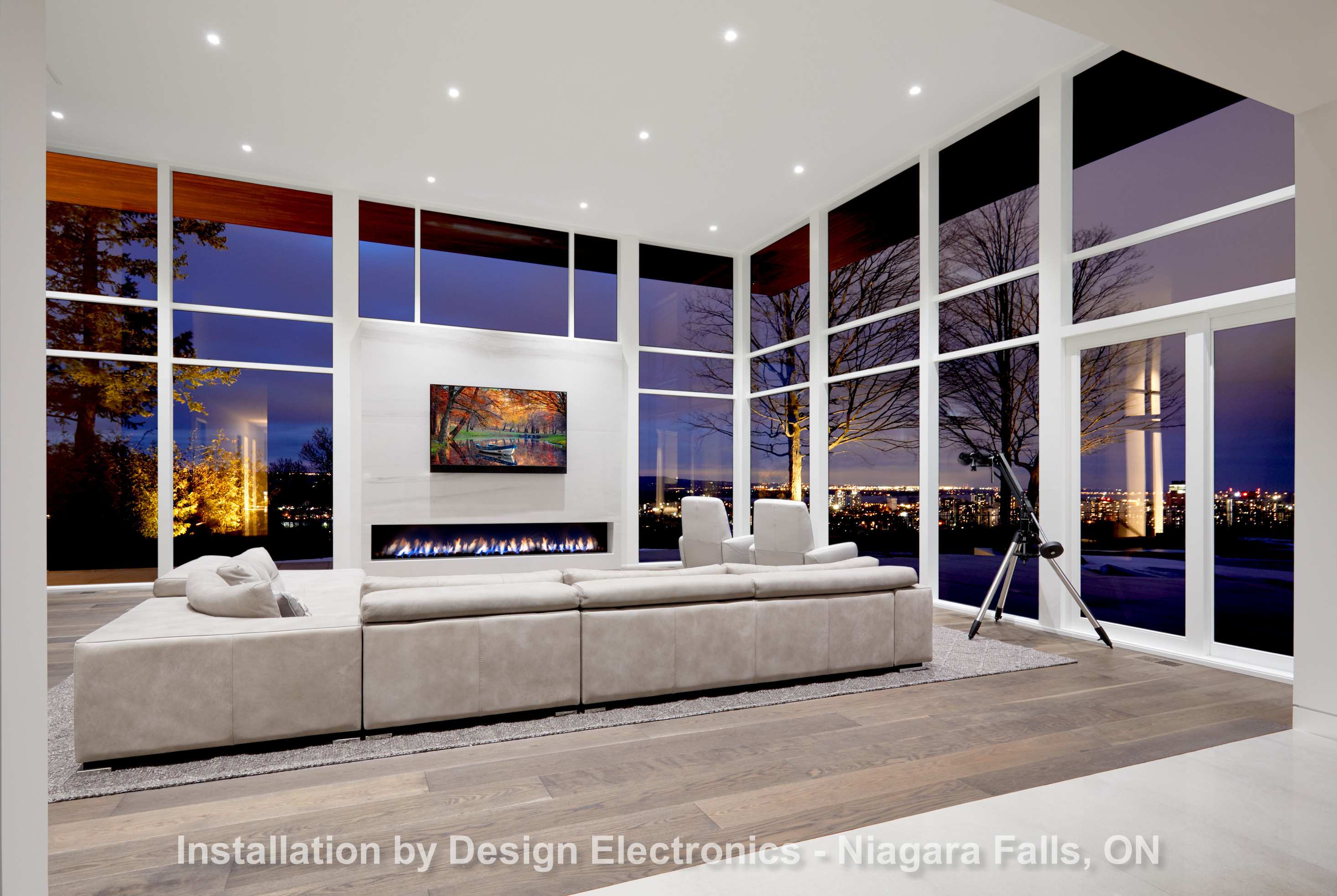
Bringing nature indoors is one of the strongest movements in houz architecture. Think:
- Indoor plants
- Vertical gardens
- Natural ventilation
- Large glass windows
Studies show that exposure to natural light and greenery improves mental well-being by up to 15%. That’s not just design — that’s psychology.
Flexible Living Spaces
Post-pandemic realities reshaped housing priorities. A modern houz now often includes:
- Home office corners
- Fitness spaces
- Reading nooks
- Soundproof zones
People want adaptability. And design is responding.
Smart Houz: Technology and Innovation
Technology is at the heart of the houz transformation.
Integrated Smart Systems
Modern houz setups often include:
- Voice-controlled lighting
- AI-powered security cameras
- Smart thermostats
- Automated blinds
Home automation can reduce energy consumption by 10–30%, depending on usage patterns.
Security and Connectivity
Safety remains a top priority. Smart locks, facial recognition systems, and real-time mobile alerts make houz living both convenient and secure.
However, increased connectivity also raises concerns about privacy. That said, encryption protocols and cybersecurity standards are improving every year.

Houz as an Investment Asset
Beyond lifestyle, houz represents financial opportunity.
Real Estate Appreciation
Modern-designed properties often appreciate faster than outdated layouts. Factors influencing houz value include:
- Location
- Smart integrations
- Sustainability features
- Architectural uniqueness
In many urban markets, eco-certified homes command a 5–10% higher resale value.
Rental and Short-Term Leasing
Platforms like Airbnb have revolutionized how houz properties generate income. Short-term rentals can significantly increase ROI, especially in tourist-heavy regions.
However, local regulations differ. Always research zoning laws and rental policies before investing.
Personal Background & Financial Insights in the Houz Industry
The houz movement isn’t driven by one individual but by a wave of architects, designers, and tech entrepreneurs.
Career Paths in the Houz Space
Professionals thriving in this industry include:
- Residential architects
- Interior designers
- Smart home engineers
- Real estate analysts
- Sustainability consultants
With global real estate markets valued in the trillions, opportunities are immense.
Earnings & Financial Outlook
Top-tier architects working on high-end houz projects can earn six-figure incomes annually. Real estate investors specializing in modern houz developments often see strong long-term returns, particularly in metropolitan regions.
In some markets, luxury houz properties exceed multi-million-dollar valuations, especially when combined with waterfront locations or architectural prestige.
Sustainable and Eco-Friendly Houz Living
Sustainability is no longer optional.
Green Building Materials
Eco-focused houz projects use:
- Recycled steel
- Bamboo flooring
- Low-VOC paints
- Solar panels
Sustainable materials reduce environmental impact and utility bills.
Energy Efficiency
Solar-powered systems and energy-efficient windows significantly lower monthly expenses. In fact, households with solar installations can reduce electricity costs by up to 70%.
Long term, that’s substantial savings.
Digital Influence and Online Houz Platforms
The digital world plays a major role in shaping design choices.
Social Media and Inspiration
Platforms like Pinterest and Instagram influence how people design their houz spaces. Viral interior trends can spread globally within days.
Homeowners often create mood boards, visualize color schemes, and even hire designers online.
Virtual Tours and 3D Modeling
Modern houz buying experiences include:
- Virtual walkthroughs
- Augmented reality staging
- Online consultations
This digital integration saves time and enhances decision-making.
Frequently Asked Questions
What does houz actually mean?
Houz is a modern stylized term representing a house that integrates lifestyle design, smart technology, and sustainability.
Is houz different from a traditional house?
Yes. While structurally similar, houz emphasizes personalization, digital connectivity, and environmental responsibility.
Why is houz becoming popular?
Urbanization, remote work trends, and sustainability awareness have increased demand for modern, flexible living spaces.
Is investing in houz properties profitable?
In many markets, modern-designed homes appreciate faster and attract higher rental income.
Are smart houz systems expensive?
Initial costs can be higher, but long-term energy savings often offset installation expenses.
Can small apartments qualify as houz?
Absolutely. Houz refers more to design philosophy than size.
Does sustainable houz living really save money?
Yes. Energy-efficient systems significantly reduce utility bills over time.
Are there risks in digital smart houz systems?
Privacy and cybersecurity risks exist, but updated encryption and secure networks mitigate most concerns.
Conclusion
The idea of houz goes far beyond bricks and concrete. It reflects how modern society redefines living — blending design, technology, sustainability, and financial opportunity into one cohesive concept.
Whether you’re a homeowner, investor, designer, or simply someone curious about modern architecture, understanding houz helps you see housing not just as shelter, but as an evolving ecosystem. It’s emotional, practical, and strategic all at once.
In the end, houz isn’t just where you live. It’s how you live.