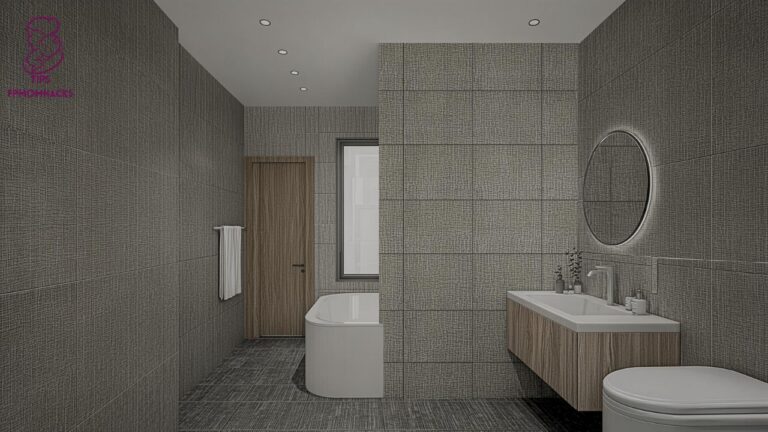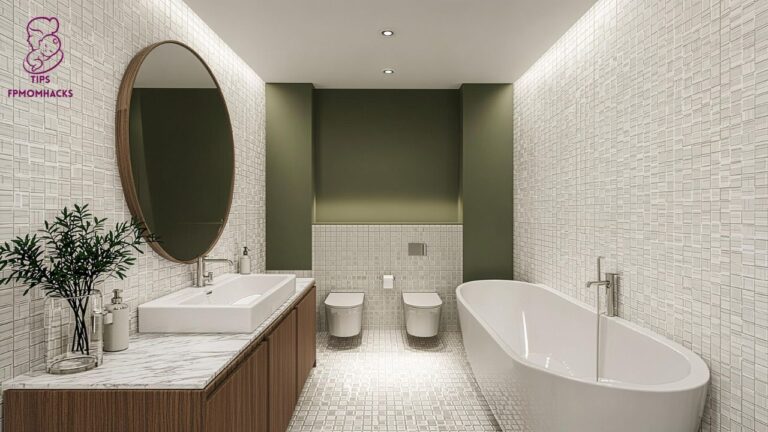
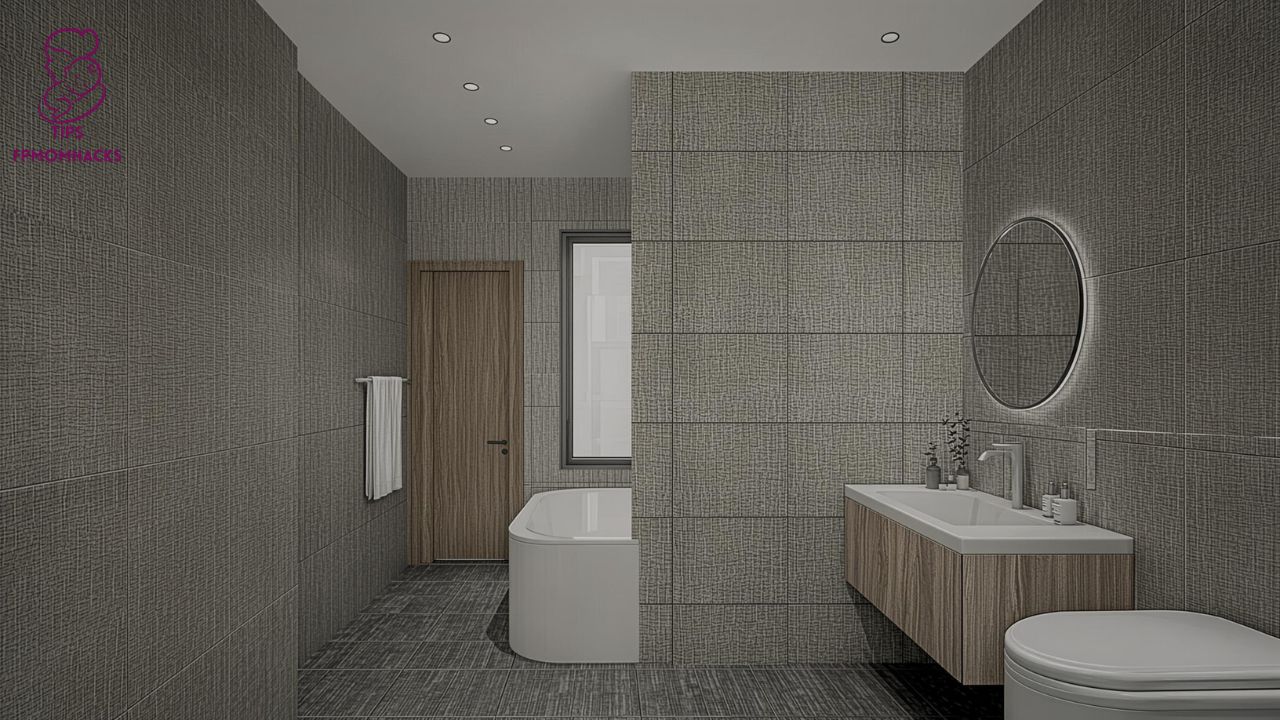
Introduction
There’s something quietly powerful about a well-designed bathroom. It’s not just a functional space—it’s where your day starts and ends. And if you’ve been exploring grey bathroom tiles design, you’ve probably noticed how effortlessly it balances style and practicality.
Grey isn’t just “safe.” It’s versatile, timeless, and surprisingly expressive. Whether you want a spa-like retreat or a bold modern statement, the right shade and layout can completely transform your bathroom.
In reality, most people underestimate how much tile choice affects the entire mood of a space. Get it wrong, and the room feels dull. Get it right, and suddenly everything—from lighting to fixtures—looks elevated.
So let’s break this down properly, not with generic advice, but with real, actionable insights you can actually use.
What Makes Grey Bathroom Tiles So Popular


Grey has become the backbone of modern interior design—and bathrooms are no exception.
Why grey works better than most colors:
- Neutral yet impactful – It complements almost any color palette
- Hides dirt and water stains better than white
- Works across styles – modern, industrial, Scandinavian, even classic
- Timeless appeal – doesn’t go out of trend quickly
That said, not all grey tones are equal. Some feel warm and inviting, while others can look cold and lifeless if poorly paired.
Here’s the reality: people don’t choose grey because it’s “safe”—they choose it because it gives control over the entire design.
Types of Grey Bathroom Tiles Design


Understanding tile types is where most homeowners mess up. They focus on color but ignore texture, finish, and format.
1. Ceramic Tiles
- Affordable and widely available
- Good for walls
- Not ideal for heavy-duty flooring
2. Porcelain Tiles
- Denser and more durable
- Water-resistant (perfect for bathrooms)
- Ideal for floors and walls
3. Marble-Effect Grey Tiles
- Luxury look without the cost of real marble
- Adds depth and elegance
- Works best in larger bathrooms
4. Textured Grey Tiles
- Adds grip (important for safety)
- Great for shower areas
- Creates visual interest
5. Subway Grey Tiles
- Classic rectangular shape
- Works well for backsplashes and walls
- Timeless but needs creative layout to avoid looking basic
6. Large Format Tiles
- Fewer grout lines → cleaner look
- Makes small spaces feel bigger
- Popular in modern grey bathroom tiles design
Choosing the Right Shade of Grey


This is where most people fail—they pick a random grey without understanding undertones.
Light Grey
- Brightens space
- Ideal for small bathrooms
- Easy to match
Medium Grey
- Balanced and versatile
- Works in almost any layout
- Most popular choice
Dark Grey / Charcoal
- Bold and dramatic
- Best for large bathrooms
- Needs proper lighting
Warm vs Cool Grey
- Warm grey → cozy, earthy
- Cool grey → sleek, modern
👉 Brutal truth: If your bathroom lacks natural light, avoid dark cool grey—it will feel like a cave.
Grey Bathroom Tiles Design for Small Spaces


Small bathrooms demand smarter design decisions.
What actually works:
- Use light grey tiles to reflect light
- Install large format tiles to reduce visual clutter
- Go vertical with tiles to make ceilings appear higher
- Keep grout color close to tile color
What to avoid:
- Too many patterns (makes space chaotic)
- Dark tiles on all walls
- Heavy contrast grout lines
A smart grey bathroom tiles design in a small space is about illusion—not decoration.
Modern Layout Patterns That Actually Work


Tiles aren’t just about color—the layout defines the personality.
Popular patterns:
1. Herringbone
- Dynamic and stylish
- Perfect for feature walls
2. Chevron
- Similar to herringbone but cleaner lines
- Works well in modern bathrooms
3. Stacked (Grid Layout)
- Minimal and contemporary
- Ideal for a clean aesthetic
4. Diagonal Layout
- Adds movement
- Makes small bathrooms feel larger
👉 Reality check: Fancy patterns look good online, but poor execution ruins everything. Always hire skilled installers.
Matching Grey Tiles with Fixtures & Colors


Grey alone isn’t enough—you need contrast.
Best combinations:
| Element | Best Pairing with Grey |
|---|---|
| Fixtures | Black, chrome, or brushed gold |
| Cabinets | White, wood, or matte black |
| Walls | White, pastel, or textured |
| Lighting | Warm LED for balance |
Winning combinations:
- Grey + wood → warm and natural
- Grey + black → bold and modern
- Grey + gold → luxury feel
- Grey + white → clean and timeless
A strong grey bathroom tiles design always includes contrast—otherwise, it feels flat.
Cost Breakdown & Budget Planning
Let’s be real—budget matters.
Average cost factors:
- Tile type (ceramic vs porcelain)
- Tile size (larger = more expensive)
- Labor cost
- Layout complexity
Rough pricing (global average):
- Ceramic tiles: $5–$15 per m²
- Porcelain tiles: $15–$40 per m²
- Premium marble-effect tiles: $40–$100+
Where people waste money:
- Overpaying for trendy tiles
- Ignoring installation quality
- Buying cheap tiles that don’t last
👉 Smart move: Spend more on flooring tiles (durability matters most there).
Maintenance and Longevity
Grey tiles are low maintenance—but only if chosen correctly.
Easy maintenance tips:
- Use mild cleaners (avoid harsh chemicals)
- Seal grout lines to prevent stains
- Choose matte finish for less visible water marks
Longevity:
- Porcelain tiles → 20–50 years
- Ceramic tiles → 10–20 years
A well-planned grey bathroom tiles design is not just about looks—it’s about durability.
Common Mistakes to Avoid
Let’s be blunt—most bathroom designs fail because of these:
- Choosing the wrong shade of grey
- Ignoring lighting conditions
- Overusing patterns
- Poor tile alignment
- Cheap installation
Biggest mistake?
Trying to copy Pinterest without understanding your own space.
FAQ
What is the best shade for grey bathroom tiles design?
Light to medium grey works best for most spaces. Dark grey is only suitable if you have strong lighting.
Are grey bathroom tiles still in trend?
Yes—and they’re not going anywhere. Grey is considered a timeless neutral in interior design.
Do grey tiles make a bathroom look smaller?
Only if you use dark shades without proper lighting. Light grey can actually make a space feel bigger.
Which tile finish is best for bathrooms?
Matte for flooring (anti-slip), glossy for walls (easy cleaning).
How do I make grey tiles look warmer?
Add wood elements, warm lighting, or gold fixtures.
Are grey bathroom tiles hard to maintain?
No. They’re easier to maintain than white tiles because they hide stains better.
What size tiles are best for modern bathrooms?
Large format tiles are ideal—they reduce grout lines and look more premium.
Can I mix different shades of grey?
Yes, but keep it subtle. Too much contrast can make the design look messy.
Conclusion
If you strip away trends and hype, what you’re left with is this: a good grey bathroom tiles design isn’t about color—it’s about balance.
Balance between light and dark. Texture and smoothness. Simplicity and detail.
Most people overcomplicate things, chasing aesthetics instead of function. But the best bathrooms—the ones that actually feel good to use—are designed with intention.
So before you pick tiles, ask yourself:
Does this space work for my lifestyle, or am I just copying what looks good online?
Get that right, and everything else falls into place.