
Introduction
There’s something undeniably comforting about a craftsman bathroom—the kind of space that feels both practical and deeply personal. It’s not flashy or overdone, yet it quietly impresses with its warmth, craftsmanship, and attention to detail.
If you’ve ever walked into a bathroom and felt instantly at ease, chances are it had elements rooted in craftsman design. This style, born from the Arts and Crafts movement, focuses on simplicity, natural materials, and honest construction. And today, it’s making a strong comeback in modern homes.
Whether you’re remodeling your space or just looking for inspiration, understanding what makes a craftsman bathroom truly special can help you create a space that feels timeless—not trendy. Let’s break it down in a way that actually makes sense, without overwhelming you.
What Is a Craftsman Bathroom?
A craftsman bathroom is rooted in the Arts and Crafts design philosophy from the late 19th and early 20th centuries. It emphasizes handcrafted details, natural materials, and functional design.
Instead of chasing trends, this style focuses on authenticity. Every element—from cabinetry to tile—serves a purpose while also contributing to a cohesive, grounded aesthetic.
Core Characteristics
- Clean, simple lines
- Natural wood tones
- Built-in cabinetry
- Handcrafted details
- Earthy, muted color schemes
At its heart, a craftsman bathroom is about quality over quantity. It’s not about filling space—it’s about making every detail count.
Key Elements of a Craftsman Bathroom
Natural Woodwork
Wood is the backbone of this design style. Oak, cherry, and maple are commonly used for vanities, trim, and storage.
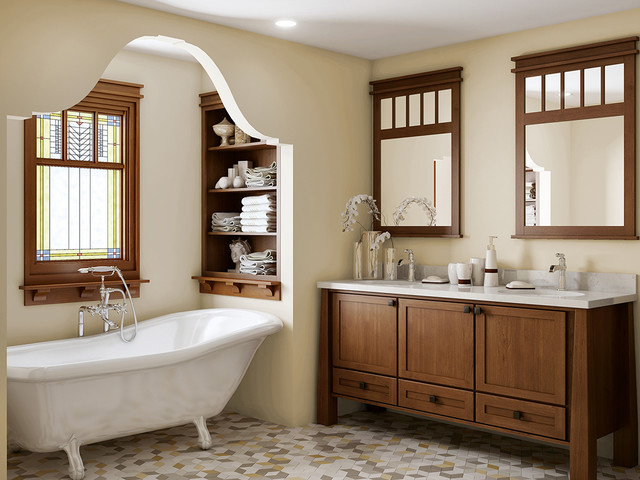
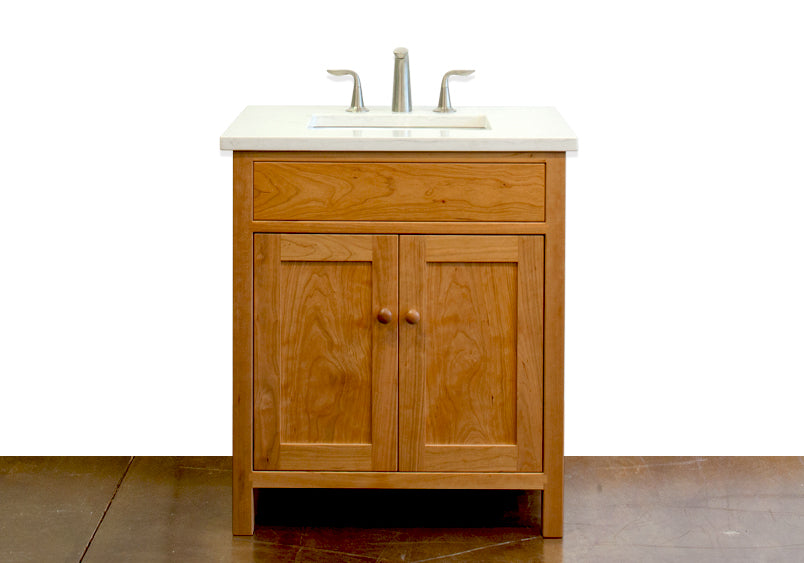
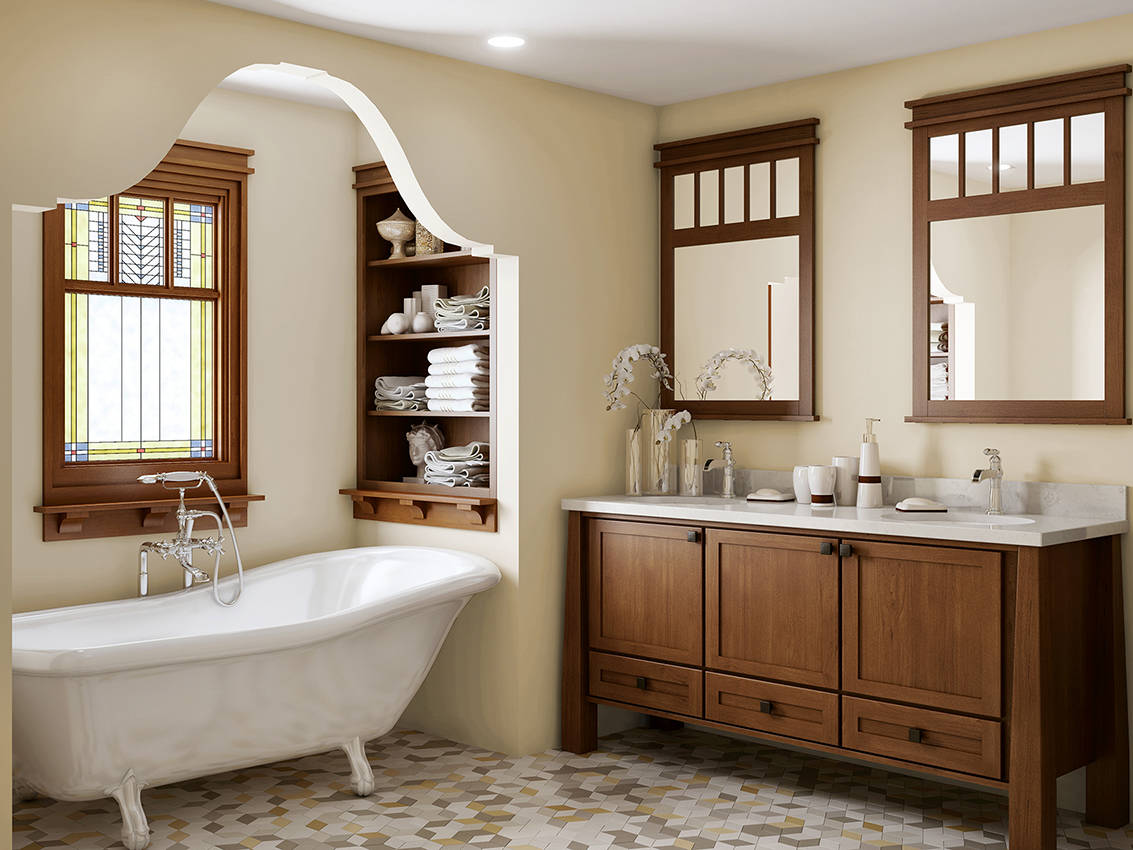
The beauty lies in the grain—nothing is overly polished or synthetic-looking. You’ll often see visible joinery and simple, sturdy construction.
Built-In Storage
Craftsman design loves built-ins. Instead of bulky furniture, storage is integrated seamlessly into the space.
Examples include:
- Recessed medicine cabinets
- Built-in shelving
- Window benches with storage
Handmade Tile Work
Tiles often feature geometric patterns or subtle textures. Think subway tiles, hex tiles, or handcrafted ceramic pieces.
Craftsman Bathroom Design Ideas
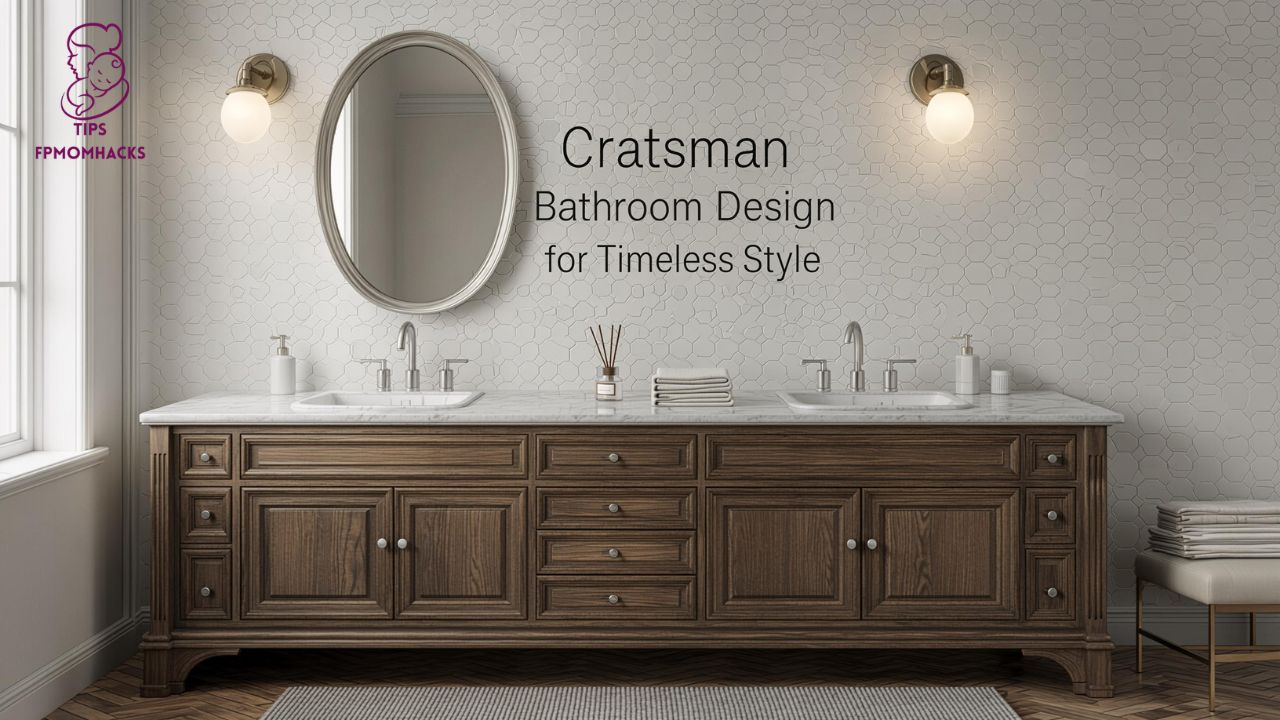
1. Classic Wood Vanity with Marble Top
A solid wood vanity paired with a marble or quartz countertop strikes the perfect balance between tradition and modern function.
2. Subway Tile Walls
Subway tiles are a staple in a craftsman bathroom. They’re simple, affordable, and timeless.
3. Vintage-Inspired Fixtures
Oil-rubbed bronze or brushed nickel fixtures bring authenticity to the space.

4. Neutral Color Schemes
Stick to earthy tones like:
- Soft greens
- Warm browns
- Creamy whites
- Muted blues
5. Freestanding Bathtub
A clawfoot or pedestal tub can instantly elevate the room while staying true to the style.
Materials and Finishes That Define the Styl
Wood
- Oak (most popular)
- Walnut
- Cherry
Stone
Natural stone like granite or marble adds texture without overpowering the space.
Metal Finishes
- Oil-rubbed bronze
- Antique brass
- Brushed nickel
Tile
- Ceramic
- Porcelain
- Mosaic
A well-designed craftsman bathroom uses these materials in harmony, not competition.
Color Palettes for Craftsman Bathrooms
Color plays a subtle but powerful role in this design style.
Popular Combinations
| Base Color | Accent Color | Effect |
|---|---|---|
| Cream | Dark wood | Warm and inviting |
| Sage green | White tile | Fresh and calming |
| Beige | Bronze fixtures | Classic and elegant |
| Soft gray | Black accents | Modern craftsman look |
Avoid overly bright or artificial colors—they disrupt the natural feel of the space.
Fixtures and Hardware Choices
Fixtures in a craftsman bathroom should feel solid and purposeful.
Sink Styles
- Pedestal sinks
- Undermount sinks
- Integrated stone sinks
Faucets
Look for designs with simple lines and cross handles.
Hardware
Cabinet handles and drawer pulls should match the overall tone—nothing too flashy.
Lighting in a Craftsman Bathroom
Lighting is often overlooked, but it can make or break the space.

Best Lighting Options
- Wall sconces with frosted glass
- Pendant lights with metal finishes
- Warm LED lighting
Avoid harsh, cool lighting—it strips away the cozy atmosphere.
Storage and Functionality
A craftsman bathroom isn’t just about looks—it’s highly practical.
Smart Storage Ideas
- Built-in cabinets
- Open shelving
- Hidden compartments
Functional Layout Tips
- Keep pathways clear
- Prioritize accessibility
- Use vertical space efficiently
Budget Planning and Cost Insights
Creating a craftsman bathroom can range from budget-friendly to high-end depending on your choices.
Estimated Costs
| Element | Budget Range |
|---|---|
| Vanity | $500 – $3000 |
| Tile Work | $1000 – $5000 |
| Fixtures | $300 – $1500 |
| Lighting | $150 – $800 |
Cost-Saving Tips
- Use ceramic tiles instead of natural stone
- Refinish existing wood instead of replacing
- Mix high-end and budget elements
Common Mistakes to Avoid
Even a beautiful concept can go wrong if not executed carefully.
1. Over-Decorating
Craftsman style thrives on simplicity. Too many elements can clutter the space.
2. Ignoring Functionality
A bathroom should work first, look good second.
3. Using Modern, Glossy Materials
High-gloss finishes often clash with the natural aesthetic.
4. Poor Lighting Choices
Cold lighting can ruin the entire mood.
FAQ
What defines a craftsman bathroom style?
It’s defined by natural materials, simple lines, built-in storage, and handcrafted details rooted in the Arts and Crafts movement.
Is a craftsman bathroom expensive to build?
It depends on materials. You can keep costs moderate by choosing alternatives like ceramic tile and engineered wood.
Can I mix modern elements with craftsman design?
Yes, but carefully. Stick to subtle modern touches that don’t overpower the traditional feel.
What colors work best in a craftsman bathroom?
Earthy tones like sage green, beige, cream, and soft gray work best.
Are craftsman bathrooms still popular?
Absolutely. Their timeless appeal makes them a favorite for homeowners seeking durability and style.
What type of lighting suits this style?
Warm, soft lighting with metal or glass fixtures complements the aesthetic perfectly.
Can small bathrooms use craftsman design?
Yes, especially with built-in storage and light color palettes to maximize space.
What flooring works best?
Tile—especially hex or mosaic—is the most common choice.
Conclusion
A craftsman bathroom isn’t just a design choice—it’s a mindset. It values authenticity, quality, and comfort over trends and shortcuts. When done right, it creates a space that feels grounded, welcoming, and effortlessly stylish.
Whether you’re planning a full renovation or making small upgrades, embracing this timeless approach can transform your bathroom into a place you actually enjoy spending time in. And honestly, that’s what great design is all about.