Introduction
You don’t realize how powerful bathroom images are until you’re stuck staring at a dull, outdated space and wondering what went wrong. A single inspiring visual can completely shift how you think about design—and more importantly, what’s actually possible in your own home.
The truth is, most people underestimate bathrooms. They treat them like purely functional spaces. But scroll through a few well-curated bathroom images, and suddenly you see it differently: this is where comfort, aesthetics, and smart design collide.
Whether you’re renovating, building from scratch, or just looking for inspiration, the right visuals can help you avoid expensive mistakes and guide smarter decisions. This guide goes deeper than surface-level Pinterest ideas—we’ll break down styles, trends, layouts, and what actually works in real homes.


What Makes Bathroom Images So Important in Design
Let’s be blunt: most people can’t visualize a finished bathroom just by reading specs or looking at tiles. That’s why bathroom images matter—they bridge the gap between imagination and execution.
Why visuals outperform descriptions
- Humans process images 60,000x faster than text
- You can instantly spot:
- Color harmony
- Lighting quality
- Space utilization
- They reduce decision fatigue during renovations
Real-world impact
A homeowner choosing tiles from a catalog vs. seeing them in bathroom images will make completely different decisions. Context changes everything.
Types of Bathroom Images You Should Explore
Not all bathroom images are created equal. Some are purely aesthetic (Instagram-worthy but impractical), while others are grounded in real usability.
1. Conceptual Design Images
- Created by designers or architects
- Ideal for inspiration, not always realistic
2. Real-Life Bathroom Photos
- Taken from actual homes
- Best for understanding space constraints
3. Before-and-After Images
- Show transformation potential
- Help you estimate renovation impact
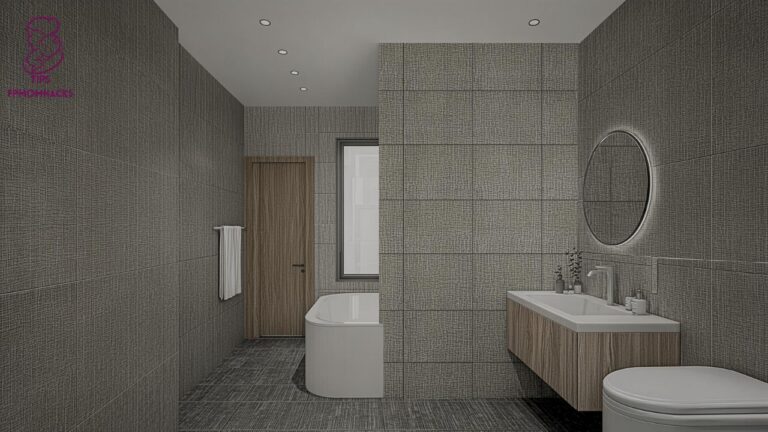
4. 3D Renderings
- Used in planning stages
- Useful for layout visualization
Modern Bathroom Images: Clean, Functional, Timeless
Modern design isn’t about trends—it’s about efficiency and simplicity.
Key characteristics you’ll notice
- Neutral color palettes (white, grey, beige)
- Floating vanities
- Frameless glass showers
- Minimal clutter
Why modern works
Modern bathrooms age better. Unlike trendy designs, they don’t look outdated after 2–3 years.


Practical insight
Most people copy modern bathroom images but ignore one critical detail: lighting. Without proper lighting, even the best design looks flat.
Small Bathroom Images: Smart Space Optimization
This is where things get interesting—and where most people fail.
Common challenges
- Limited floor space
- Poor natural light
- Storage issues
Smart solutions seen in bathroom images
- Wall-mounted sinks
- Sliding doors instead of swing doors
- Large mirrors to create depth
- Vertical storage units
Reality check
A small bathroom doesn’t become functional just because it looks good in photos. Many images hide storage compromises.
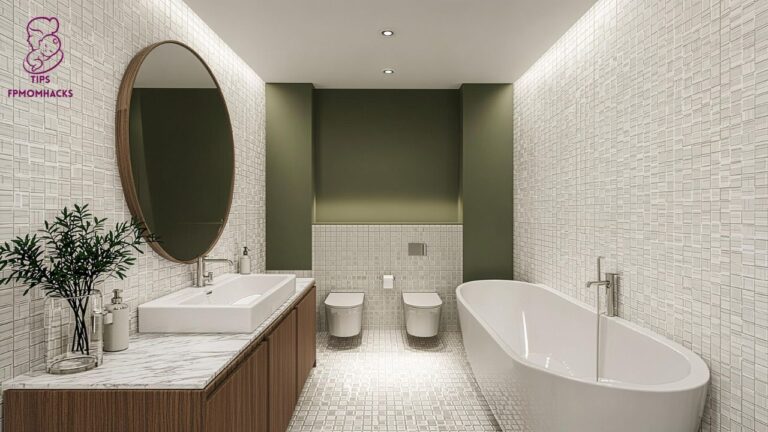
Luxury Bathroom Images: High-End Inspiration
Luxury bathrooms aren’t just about money—they’re about experience.
Features you’ll consistently see
- Freestanding bathtubs
- Marble or stone finishes
- Ambient lighting
- Double vanities
Emotional factor
Luxury bathroom images trigger a psychological response: relaxation, escape, comfort. That’s why they’re so effective in marketing.


Hard truth
Most people try to replicate luxury designs on a low budget—and end up with something that looks cheap. Materials matter more than layout here.
Key Elements You’ll Notice in High-Quality Bathroom Images
If you analyze top-performing bathroom images, patterns start to emerge.
1. Lighting
- Natural light is prioritized
- Layered lighting (ambient + task)
2. Materials
- Consistency is key
- Avoid mixing too many textures
3. Color balance
- 2–3 main colors max
- Accent colors used sparingly
4. Layout efficiency
- No wasted space
- Logical placement of fixtures
Common Mistakes People Make When Copying Bathroom Images
Let’s be honest—this is where most people mess up.
1. Ignoring proportions
A design that works in a 200 sq ft bathroom won’t work in 40 sq ft.
2. Overcomplicating design
Too many elements = visual clutter.
3. Cheap material substitutions
Trying to mimic marble with poor-quality tiles usually backfires.
4. Poor lighting decisions
Even expensive bathrooms look bad with harsh or insufficient lighting.
Bathroom Layout Ideas Based on Real Visual Examples
Here’s where bathroom images actually become useful—not just inspiration, but planning tools.
Common layouts
| Layout Type | Best For | Key Feature |
|---|---|---|
| Linear layout | Small bathrooms | Fixtures aligned in one row |
| L-shaped layout | Medium spaces | Better movement flow |
| Open layout | Luxury bathrooms | Seamless transitions |
| Split layout | Shared bathrooms | Separate zones |
Pro insight
Most successful designs prioritize movement flow, not just appearance.
How to Use Bathroom Images for Renovation Planning
This is where strategy beats aesthetics.
Step-by-step approach
- Collect 10–15 bathroom images
- Identify common elements:
- Colors
- Materials
- Layout styles
- Eliminate unrealistic designs
- Adapt ideas to your space
What professionals do differently
Interior designers don’t copy images—they extract patterns.
FAQ
What are bathroom images used for?
Bathroom images are used for design inspiration, renovation planning, and understanding layout possibilities.
How do I choose the right bathroom design?
Focus on your space size, budget, and daily usage before selecting any design.
Are online bathroom images realistic?
Not always. Many are staged or edited, so always verify practicality.
How many bathroom images should I review before deciding?
At least 10–20 to identify patterns and avoid impulsive decisions.
Do small bathrooms benefit from visual inspiration?
Yes, especially for space-saving ideas and layout optimization.
What mistakes should I avoid when copying bathroom images?
Ignoring proportions, lighting, and material quality are the biggest mistakes.
Are luxury bathroom designs worth it?
Only if your budget supports high-quality materials—otherwise, results may look cheap.
Can I design a bathroom myself using images?
Yes, but you need to critically analyze—not blindly copy—designs.
Conclusion
Bathroom design isn’t about copying what looks good online—it’s about understanding why certain designs work. Bathroom images are powerful tools, but only if you use them intelligently.
Most people fail because they chase aesthetics without thinking about function, budget, or long-term usability. If you approach this strategically—analyzing patterns, adapting ideas, and avoiding common traps—you’ll end up with a bathroom that doesn’t just look good in photos, but actually works in real life.
That’s the difference between inspiration and execution.