Introduction
There’s something oddly comforting about wide-open spaces, wooden beams, and that raw, honest charm you only get from a barn house. In recent years, the barn house has gone from a rural necessity to a design statement—blending rustic nostalgia with modern living.
But here’s the reality most people ignore: building or owning a barn house isn’t just about aesthetics. It’s about lifestyle, cost decisions, land use, and smart design choices. If you approach it blindly, you’ll overspend or end up with something impractical.
This guide breaks it all down—no fluff, no vague Pinterest dreams. Just real insights, practical advice, and what actually works if you want a barn house that looks good and functions well.


What Is a Barn House?
A barn house is exactly what it sounds like—a home inspired by traditional agricultural barns. But don’t confuse it with an actual livestock barn. Modern versions are engineered for comfort, insulation, and aesthetics.
Definition
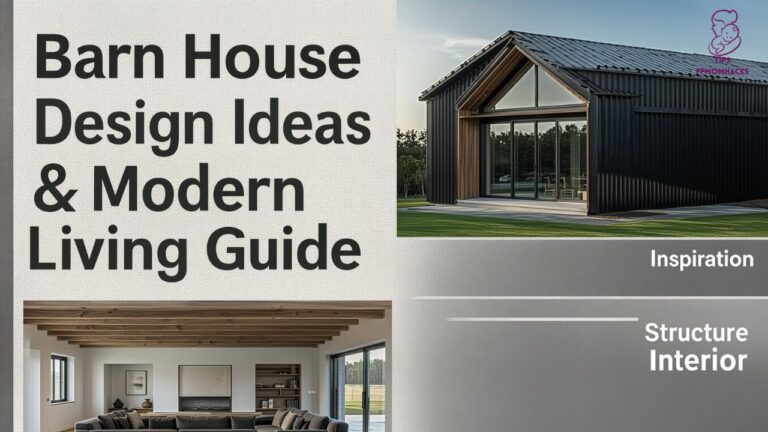
A barn house is a residential structure that adopts the architectural style of barns, often featuring:
- High ceilings
- Open floor plans
- Exposed wooden beams
- Large sliding doors
- Metal or wood exteriors
Why It Works
The appeal isn’t just visual. Barn houses are:
- Easier to scale (big open interiors)
- Cost-efficient in structure
- Flexible for customization
However, people often romanticize them. Without proper planning, they can become expensive to heat, maintain, or modify.
Why Barn House Living Is Trending
Let’s be honest—this trend didn’t just appear out of nowhere.
1. Shift Toward Simpler Living
After years of cramped urban apartments, people want:
- Space
- Nature
- Privacy
A barn house delivers all three.
2. Social Media Influence
Instagram and Pinterest turned rustic architecture into a lifestyle aspiration. But here’s the catch: most of those homes are heavily customized and expensive.
3. Hybrid Lifestyle Needs
With remote work rising, people want homes that:
- Double as offices
- Offer creative space
- Feel less restrictive
A barn house naturally supports that.
Types of Barn House Designs
Not all barn houses are the same. This is where most buyers mess up—they pick style over practicality.
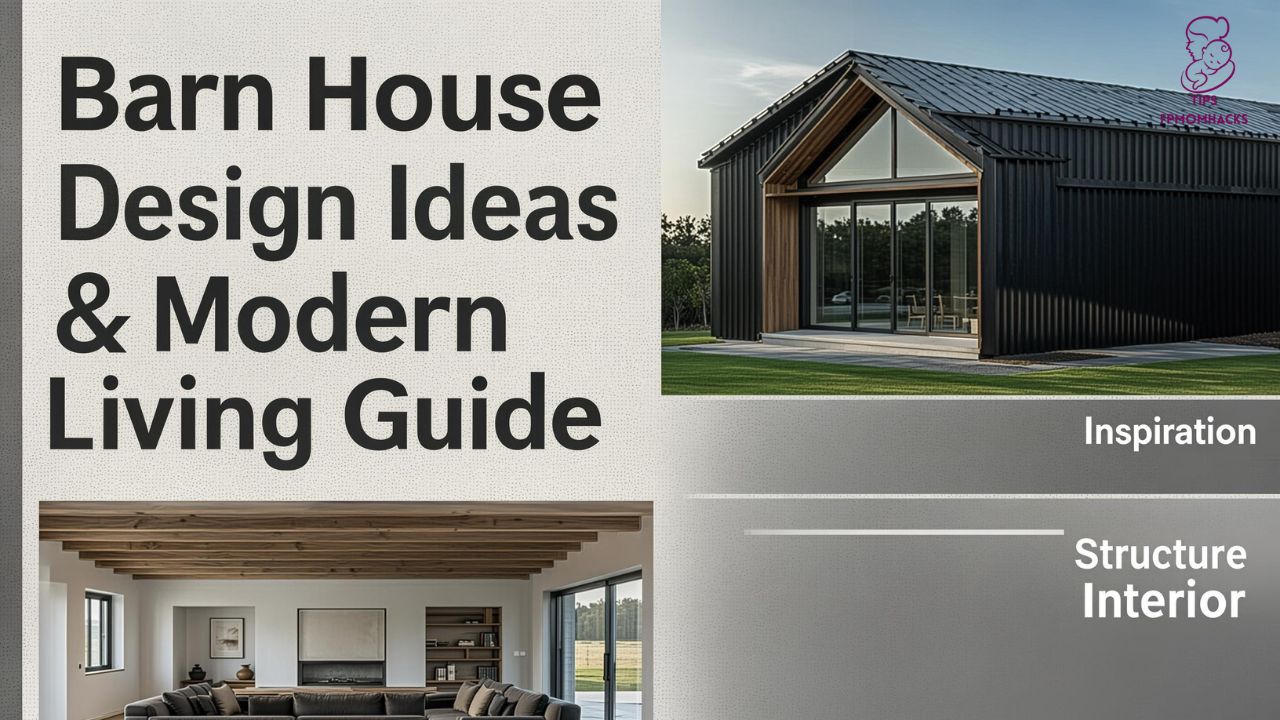
Modern Barn House
Clean lines, minimalism, and large glass panels.
- Black steel + wood finishes
- Open interiors
- Energy-efficient designs
Rustic Barn House
More traditional, raw, and textured.
- Reclaimed wood
- Stone accents
- Vintage finishes
Barndominium
A mix of barn + condominium.
- Steel structures
- Faster to build
- Lower cost (usually)
Converted Barn House
Old barns turned into homes.
- Unique character
- Structural limitations
- Often expensive to renovate
Key Features of a Barn House
A proper barn house isn’t just about looks—it’s about structural logic.
1. Open Floor Plan
No unnecessary walls. This creates:
- Better airflow
- More natural light
- Flexible living spaces
2. High Ceilings
Typically 15–25 feet high.
Benefit:
- Makes small areas feel massive
- Improves ventilation
Drawback:
- Heating costs increase
3. Exposed Beams
Pure aesthetic—but also structural.
- Adds warmth
- Enhances rustic feel
4. Sliding Doors
Both functional and visual.
- Save space
- Add farmhouse authenticity
5. Metal Roofing
Durable and long-lasting.
- Weather-resistant
- Low maintenance
Barn House Floor Plans and Layout Ideas
This is where most people fail—they copy designs without thinking about usage.
Smart Layout Strategy
Instead of copying Pinterest layouts, focus on function:
| Area | Recommended Approach |
|---|---|
| Living Room | Central open space |
| Kitchen | Integrated with living |
| Bedrooms | Private wings |
| Loft | Office or guest space |
| Storage | Built into walls |
Popular Layout Ideas
- Single-story open plan – Best for families
- Loft-style barn house – Ideal for small plots
- L-shaped barn house – Adds privacy zones
Cost of Building a Barn House
Let’s cut the nonsense—this isn’t always a “cheap” option.
Average Cost Breakdown
| Type | Cost per sq ft |
|---|---|
| Basic barn house | $80–$120 |
| Mid-range | $120–$200 |
| Luxury barn house | $200+ |
Hidden Costs
- Land preparation
- Insulation upgrades
- Heating systems
- Custom finishes
Reality Check
People think barn houses are cheaper. That’s only true if:
- You keep it simple
- Avoid luxury interiors
- Use prefab structures
Barn House vs Traditional Homes
Comparison Table
| Feature | Barn House | Traditional Home |
|---|---|---|
| Layout | Open | Segmented |
| Cost | Variable | Predictable |
| Style | Rustic-modern | Conventional |
| Flexibility | High | Moderate |
| Maintenance | Medium | Medium |
Brutal Truth
Barn houses look better—but traditional homes are often easier to manage long-term.
Interior Design Ideas for Barn Houses


1. Mix Rustic with Modern
Don’t go full farmhouse—it gets outdated fast.
Balance:
- Wood + metal
- Neutral tones
- Minimal decor
2. Use Natural Light
Large windows are essential.
- Reduces energy use
- Enhances space
3. Keep Furniture Simple
Avoid clutter.
Best choices:
- Leather sofas
- Wooden tables
- Industrial lighting
4. Add Texture
Use:
- Rugs
- Stone walls
- Fabric layers
Sustainability and Energy Efficiency
A barn house can be eco-friendly—but only if designed correctly.
Smart Energy Features
- Solar panels
- Insulated walls
- Double-glazed windows
- Rainwater harvesting
Problem Area
High ceilings = higher energy consumption.
Solution:
- Zoned heating
- Smart thermostats
Common Mistakes to Avoid
If you’re serious about building a barn house, don’t ignore this section.
1. Ignoring Insulation
This is the biggest mistake.
Result:
- Freezing winters
- Expensive heating
2. Overdesigning
People try to make it “luxury farmhouse.”
Reality:
- Costs explode
- Design loses authenticity
3. Poor Space Planning
Open doesn’t mean unstructured.
You still need:
- Defined zones
- Functional layout
4. Choosing Style Over Function
A good-looking barn house that’s uncomfortable is useless.
Personal Background: Who Builds Barn Houses & Why
Typical Buyers
- Remote workers
- Entrepreneurs
- Real estate investors
- Rural landowners
Career & Lifestyle Angle
Many people building a barn house are shifting away from:
- Corporate jobs
- City life
- High expenses
Instead, they aim for:
- Freedom
- Space
- Lower long-term costs
Financial Insight
- Entry-level barn houses can start around $100K
- Luxury builds can exceed $500K+
Investors often convert barn houses into:
- Airbnb properties
- Vacation rentals
- Event spaces
That’s where the real money is.
FAQ
What is the difference between a barn house and a farmhouse?
A barn house focuses on structure and design inspired by barns, while a farmhouse is more about traditional rural living aesthetics.
Is a barn house cheaper to build?
It can be—but only if you avoid custom luxury features and stick to simple designs.
Are barn houses energy efficient?
They can be, but high ceilings often increase heating and cooling costs unless properly insulated.
How long does it take to build a barn house?
Typically 4–8 months depending on size and complexity.
Can you build a barn house in urban areas?
Yes, but zoning laws and land costs may limit feasibility.
What materials are best for a barn house?
Steel frames, wood beams, and metal roofing are the most common and durable choices.
Are barn houses good for resale?
Yes, especially in rural or tourist areas—but they’re niche properties.
Do barn houses require more maintenance?
Not necessarily, but wood elements may need regular upkeep.
Conclusion
A barn house isn’t just a design trend—it’s a lifestyle decision. Done right, it gives you space, flexibility, and a unique living experience that traditional homes struggle to match.
But here’s the hard truth: most people get it wrong. They chase aesthetics, ignore functionality, and end up overspending.
If you’re serious about building one, focus on:
- Smart layout
- Energy efficiency
- Realistic budgeting
Forget the Instagram fantasy. Build something that actually works.