
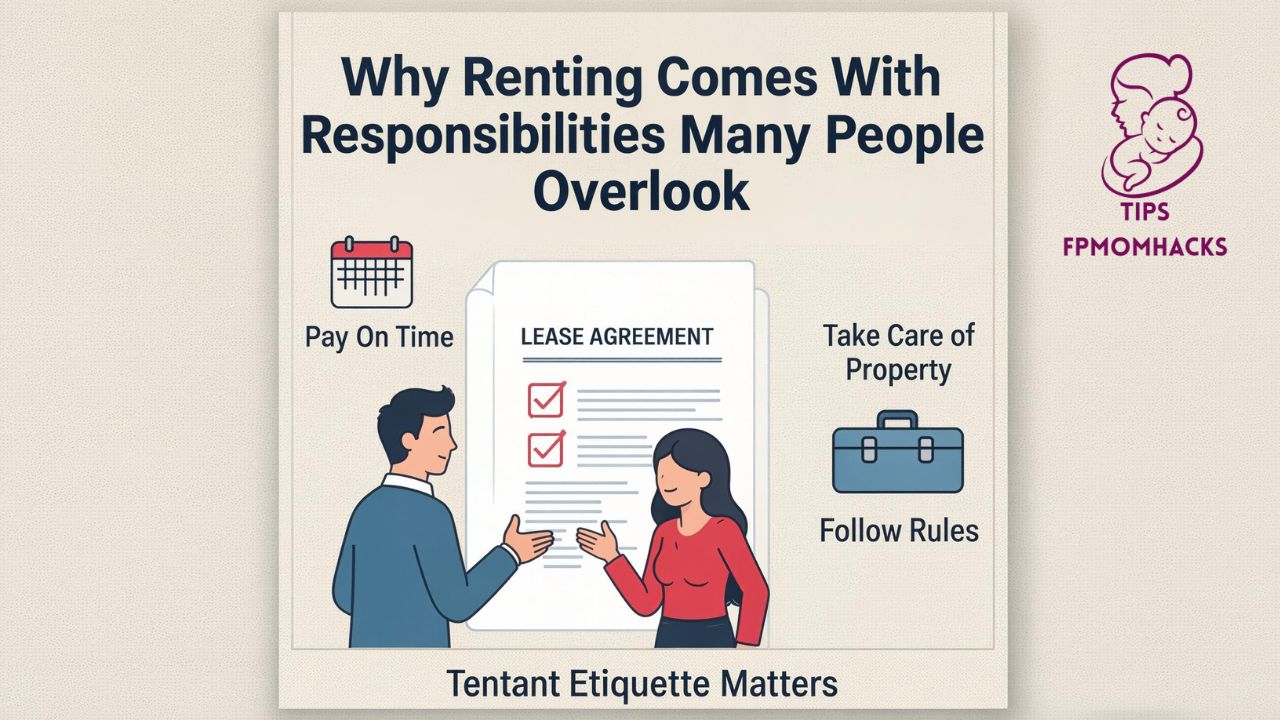
Renting often feels like the simpler option. You don’t have to worry about major repairs, property taxes, or long-term commitments. For many people, renting represents flexibility and freedom, an easier way to live without the heavy responsibilities that come with owning a home. But that sense of simplicity can be misleading.
While landlords handle building maintenance and structural issues, renters still carry important responsibilities that are easy to overlook. These responsibilities aren’t always written in bold letters or clearly explained when you sign a lease. Instead, they show up when something goes wrong, when belongings are damaged, when an accident happens, or when unexpected costs appear.
Understanding what you’re responsible for as a renter helps you avoid stress, protect your finances, and feel more secure in your living situation. Renting may be easier in some ways, but it still requires thoughtful planning and awareness to truly work in your favor.
Why Protecting Your Personal Belongings Is a Renter’s Responsibility
One of the most common misunderstandings renters have is assuming their belongings are automatically protected. In reality, a landlord’s insurance usually covers the building itself, not what you own inside it. That means furniture, electronics, clothing, and personal items are your responsibility.
Every day risks like theft, fire, water damage, or even accidental damage can lead to sudden losses. Without preparation, replacing everything out of pocket can be financially overwhelming. That’s why many renters look into options like best renters insurance, which can help protect personal belongings, offer liability coverage, and provide support for additional living expenses if your rental becomes temporarily unlivable. Coverage options are designed to be flexible and affordable, making it easier for renters to choose protection that fits their needs without adding unnecessary complexity.
Taking responsibility for your belongings isn’t about expecting the worst. It’s about being prepared for situations you can’t control.
Understanding the Limits of a Landlord’s Role
It’s easy to assume a landlord handles everything related to the property, but their responsibilities are limited. Landlords typically take care of structural repairs, major appliances, and building safety requirements. What happens inside your unit, however, often falls on you.
If your belongings are damaged due to a leak, fire, or another incident, the landlord’s insurance usually doesn’t cover replacement costs. This gap in coverage surprises many renters, especially those new to renting.
Reading your lease carefully and understanding where the landlord’s responsibilities end helps you take ownership of what you need to manage yourself.
Financial Responsibilities Renters Often Forget
Renting comes with more financial responsibility than just paying monthly rent. Unexpected costs can appear at any time, and renters are often responsible for handling them quickly.
If your belongings are damaged or stolen, replacing them can be expensive. If your unit becomes unlivable due to an incident, temporary housing costs may fall on you. These situations don’t happen every day, but when they do, they can disrupt your budget and savings.
Planning helps protect you from financial strain and keeps unexpected events from turning into long-term setbacks.
Liability and Why It Matters More Than Renters Realize
Liability is another responsibility renters often overlook. If someone is injured in your rental unit or if you accidentally cause damage to another unit, you could be held financially responsible.
These situations can happen in simple ways, such as an overflowing sink, a loose rug, or an accident involving a guest. Without proper preparation, liability costs can add up quickly and create stress that’s hard to manage.
Understanding liability as part of renting helps you make smarter decisions and reduces the risk of unexpected expenses.
Why Responsibility Increases With Shared Living Spaces
Renting with roommates or in shared buildings adds another layer of responsibility. When multiple people share a space, the risk of damage or accidents often increases. Shared kitchens, bathrooms, and common areas see more use, which raises the chance of issues.
Clear communication and shared expectations help reduce misunderstandings, but individual responsibility still matters. Even in shared spaces, you’re responsible for protecting your belongings and managing your portion of the risk.
Being proactive in shared living situations helps maintain peace of mind and prevents small issues from turning into bigger problems.
How Being a Responsible Renter Protects Your Future
Taking responsibility as a renter isn’t just about the present—it also plays an important role in shaping your future. Developing strong habits around budgeting, preparation, and risk management helps you build long-term financial stability and reduces the stress that comes from unexpected setbacks. When you understand your responsibilities, you’re better equipped to make thoughtful decisions instead of reacting under pressure.
Planning and protecting yourself from potential losses means you’re less likely to rely on credit cards or drain emergency savings when something goes wrong. This kind of preparation supports healthier financial choices and helps you stay on track with your goals. Over time, these habits build confidence and independence, making it easier to manage bigger financial decisions.
Responsible renting also teaches valuable life skills, such as accountability and planning, that carry over into other areas of life, whether you continue renting or eventually decide to buy a home.
Making Smart Renting Decisions Without Overcomplicating Life
Being a responsible renter doesn’t mean making life harder or more stressful. In fact, it often has the opposite effect. When you understand your responsibilities and plan accordingly, renting feels more secure and predictable.
Simple steps, like understanding your lease, protecting your belongings, and thinking ahead, go a long way. You don’t need to overthink every possibility, but being aware of common risks helps you avoid surprises.
Renting works best when you combine flexibility with preparation.
Renting offers freedom and convenience, but it also comes with responsibilities that many people don’t notice until it’s too late. Protecting your belongings, understanding liability, and preparing for unexpected costs are all part of renting responsibly.
When you take these responsibilities seriously, you gain more than protection. You gain peace of mind. Renting becomes less about reacting to problems and more about enjoying your living space with confidence.
By staying informed and proactive, you can make renting work for you today and in the future.