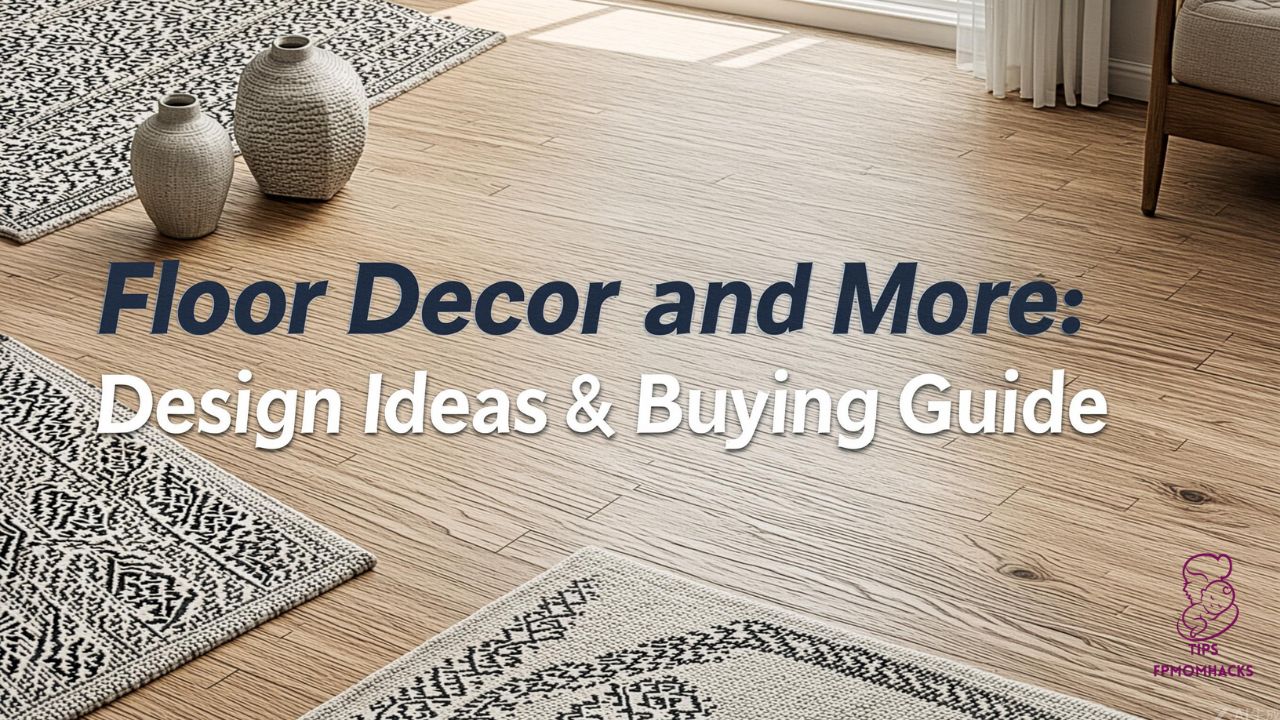
When you walk into a room, what do you notice first? The furniture? The lighting? In reality, it’s often the flooring that quietly sets the tone. floor decor and more isn’t just about tiles or planks—it’s about shaping how a space feels the moment you step inside.
Whether you’re renovating your home, designing a commercial space, or simply updating one room, choosing the right flooring and décor elements can dramatically impact comfort, durability, and visual appeal. The right floor can make a small apartment feel expansive or a large room feel warm and inviting.
Let’s dive into everything you need to know about floor decor and more—from materials and trends to costs, design strategies, and expert tips.

Understanding Floor Decor and More
At its core, floor decor and more refers to the comprehensive approach to flooring selection, design integration, and complementary decorative elements that enhance interior spaces.
It includes:
- Flooring materials (tile, hardwood, laminate, vinyl, stone)
- Trim and moldings
- Decorative patterns and layouts
- Rugs and layered textures
- Installation accessories
In modern interior design, flooring isn’t treated as a background element anymore. It’s a foundational design decision. Designers often say that flooring acts as the “canvas” upon which the rest of the décor is built.
Why Flooring Matters More Than You Think
Research in environmental psychology suggests that textures and materials underfoot influence mood and perception. Warm-toned hardwood can evoke comfort, while cool stone tiles can create a calm, minimalist atmosphere.
That’s why discussions around floor decor and more go far beyond aesthetics—they affect lifestyle, maintenance, resale value, and even acoustics.
Types of Flooring Materials
Choosing the right material is one of the biggest decisions you’ll make.
Hardwood Flooring
Hardwood remains one of the most desirable options in floor decor and more.
Pros:
- Timeless appeal
- High resale value
- Long lifespan (20–100 years depending on care)
Cons:
- Sensitive to moisture
- Higher upfront cost
Oak, maple, and walnut are popular species. Engineered hardwood offers improved stability for humid climates.

Luxury Vinyl Plank (LVP)
LVP has become a favorite in recent years.
Why it’s trending:
- Waterproof
- Budget-friendly
- Realistic wood appearance
- Easy installation
It’s ideal for kitchens, bathrooms, and basements—areas where moisture resistance matters.
Tile Flooring
Tile is extremely versatile and a cornerstone of many floor decor and more projects.
Common types:
- Ceramic
- Porcelain
- Natural stone
Porcelain tiles are especially durable and suitable for high-traffic areas.
Laminate Flooring
Laminate provides a wood-like look at a lower cost.
It’s:
- Scratch-resistant
- Affordable
- Easy to maintain
However, it’s not fully waterproof unless specially treated.
Natural Stone
Marble, granite, and travertine create luxury aesthetics.
They offer:
- Unique patterns
- Long lifespan
- High-end appeal
But they require sealing and regular maintenance.
How to Choose the Right Flooring for Your Space
Selecting the right option involves balancing aesthetics, functionality, and budget.
Consider Traffic Levels
High-traffic areas (hallways, kitchens) require durable surfaces like porcelain tile or LVP.
Bedrooms, on the other hand, may prioritize comfort over durability.
Think About Moisture
Bathrooms and basements demand waterproof materials.
Hardwood may warp in high-humidity environments unless engineered properly.
Match Your Interior Style
For example:
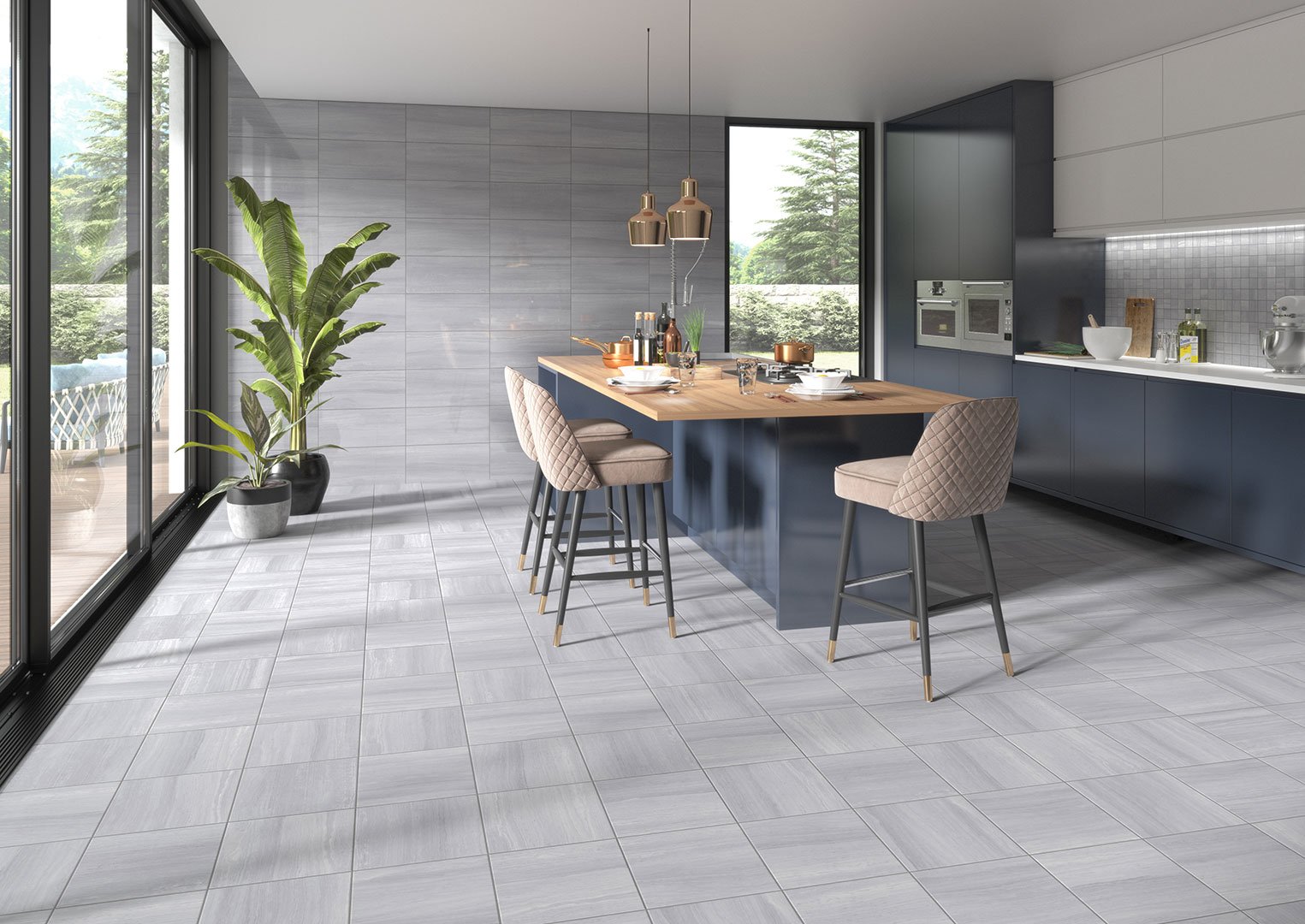
- Modern minimalist → Large-format tiles
- Rustic farmhouse → Distressed hardwood
- Scandinavian → Light oak flooring
Floor decor and more should harmonize with wall colors, cabinetry, and furniture.
Design Trends in Floor Decor and More
Trends shift, but certain patterns dominate today’s market.
Wide Plank Flooring
Wider boards create a spacious, contemporary feel.
Herringbone & Chevron Patterns
These patterns add visual interest without overwhelming a space.
Sustainable Materials
Eco-conscious buyers increasingly prefer:
- Bamboo flooring
- Reclaimed wood
- Cork flooring
Sustainability is becoming central in floor decor and more discussions.
Neutral & Natural Tones
Greys are fading. Warm beiges and natural wood tones are taking over.
Cost Breakdown and Budget Planning
Budget planning is crucial.
| Flooring Type | Average Cost per sq ft | Lifespan | Maintenance Level |
|---|---|---|---|
| Hardwood | $6–$15 | 20–100 years | Moderate |
| LVP | $2–$7 | 10–20 years | Low |
| Tile | $3–$10 | 20–50 years | Low |
| Laminate | $1–$5 | 10–15 years | Low |
| Stone | $7–$20 | 50+ years | High |
Costs vary by region and labor.
When budgeting for floor decor and more, remember to include:
- Underlayment
- Trim and moldings
- Installation
- Waste factor (5–10%)
Installation: DIY vs Professional
DIY installation works well for laminate and click-lock vinyl.
However, tile and hardwood often require precision cutting and subfloor preparation.
Professional installation:
- Reduces errors
- Preserves warranty
- Ensures durability
On the other hand, DIY can save 30–50% in labor costs.
Maintenance and Longevity
Each material demands specific care.
Hardwood
- Sweep regularly
- Refinish every 7–10 years
Tile
- Clean grout lines
- Seal natural stone
Vinyl & Laminate
- Avoid harsh chemicals
- Use protective pads under furniture
A well-maintained floor enhances the long-term value of your floor decor and more investment.
Personal Background: The Rise of the Modern Flooring Industry
The global flooring market is valued at over $400 billion and continues to grow due to increased residential renovations and commercial development.
Companies specializing in floor decor and more solutions have evolved significantly over the past two decades. Retailers now offer warehouse-style showrooms, bulk pricing, and extensive design consultation services.
Career Growth in Flooring
The industry supports:
- Interior designers
- Installers and contractors
- Manufacturing engineers
- Supply chain specialists
Financial Insights
Major flooring retail chains generate billions in annual revenue. For example, leading U.S. flooring retailers report revenues exceeding $4 billion annually, reflecting strong consumer demand.
This growth signals long-term viability and continued innovation in materials and design.
FAQs
What is included in floor decor and more services?
It typically includes flooring materials, installation supplies, trims, decorative layouts, and consultation services.
Which flooring type lasts the longest?
Natural stone and solid hardwood can last several decades if properly maintained.
Is luxury vinyl better than laminate?
LVP is generally more water-resistant and durable, making it better for kitchens and bathrooms.
How much does flooring installation cost?
Installation typically ranges from $2 to $8 per square foot, depending on complexity.
Can I install tile flooring myself?
It’s possible, but it requires precision cutting, leveling, and grout application skills.
What flooring increases home value the most?
Hardwood flooring is widely recognized for boosting resale value.
Are eco-friendly flooring options durable?
Yes. Bamboo and cork are durable when properly installed and maintained.
How often should flooring be replaced?
It depends on material. Laminate may last 10–15 years, while hardwood can last generations.
Conclusion
Flooring is more than a surface—it’s a design foundation, a comfort layer, and a long-term investment. The concept of floor decor and more captures the full spectrum of materials, design trends, installation strategies, and maintenance considerations that shape a home’s personality.
By carefully selecting materials that balance beauty, durability, and budget, you create a space that feels intentional and inviting. Whether you prefer timeless hardwood, resilient vinyl, elegant tile, or luxurious stone, the right flooring choice transforms not just a room—but the way you live in it.
When approached thoughtfully, floor decor and more becomes less about products and more about crafting spaces that truly feel like home.