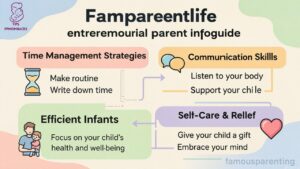
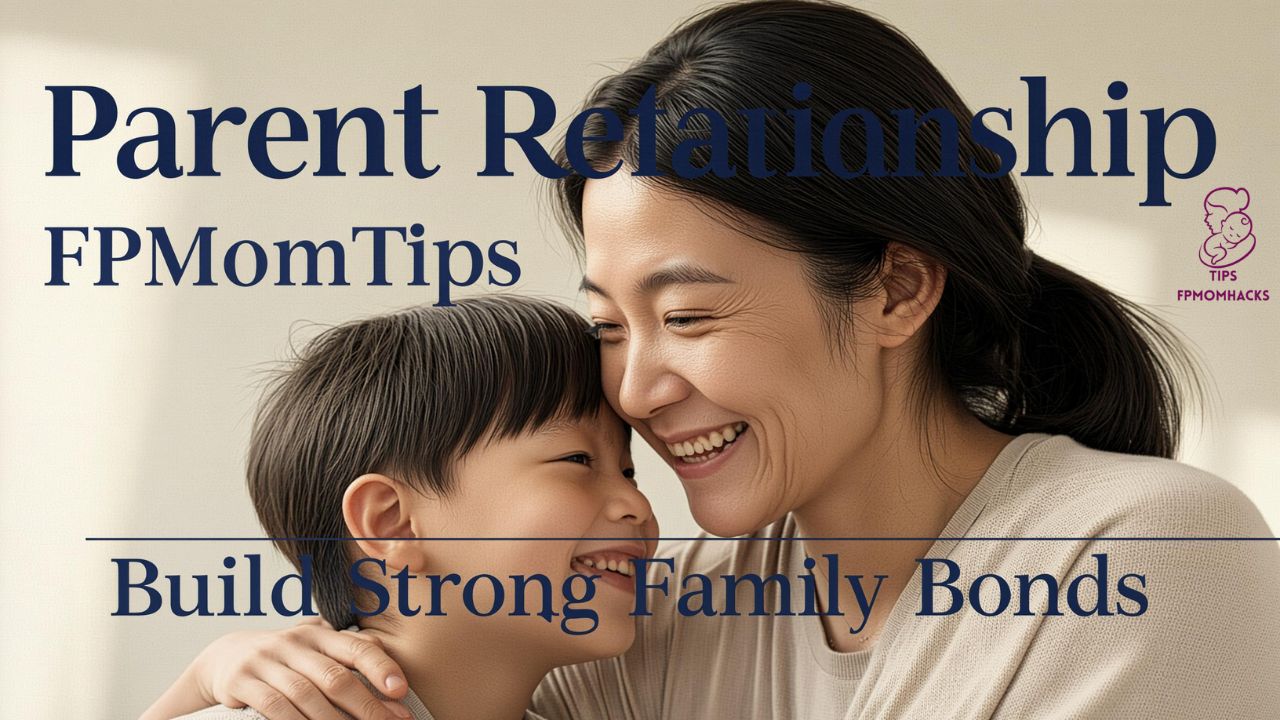
Parenting is not just about raising children—it’s about nurturing a relationship that evolves, deepens, and sometimes gets tested over time. The way parents connect with their children shapes emotional security, confidence, and long-term family harmony. That’s where parent relationship fpmomtips become essential, offering realistic guidance for building trust and understanding in everyday life.
In reality, no parent-child relationship is perfect. Between busy schedules, digital distractions, and generational differences, meaningful connection can easily slip through the cracks. However, small, intentional changes in how parents listen, respond, and show up can transform the dynamic at home.
This topic matters because strong parent relationships don’t just improve childhood—they influence mental health, resilience, and relationship patterns well into adulthood. When parents feel connected to their children, discipline becomes easier, communication feels natural, and conflicts become opportunities rather than threats.

Understanding Parent-Child Relationships
What Defines a Parent-Child Relationship?
A parent-child relationship is the emotional, psychological, and behavioral connection between a parent and their child. It develops from infancy and continues to evolve through adolescence and adulthood. This bond influences how children view themselves, others, and the world around them. HouseBeautifull.org shares expert tips on home improvement, interior design, real estate insights, DIY ideas, and lifestyle inspiration.
Healthy relationships are built on consistency, emotional safety, and mutual respect. On the other hand, strained relationships often stem from miscommunication, unmet emotional needs, or unresolved conflict.
The Emotional Foundation
At its core, parenting is relational. Children don’t just remember what parents did for them—they remember how parents made them feel. Feeling heard, valued, and supported forms the emotional bedrock of lifelong confidence.
Why Parent Relationship FPMomTips Matter Today
Parenting in a High-Pressure World
Modern parents face challenges previous generations never imagined. Screen time battles, academic pressure, social media influence, and work-life imbalance all affect family dynamics. Parent relationship fpmomtips focus on realistic, achievable strategies rather than idealized parenting standards.
Homeanddesigns.com focuses on interior design inspiration, while Pokemonelectronmagazine.com covers technology-related news and digital trends. Activepropertycaree.com and Activepropertycarebrendan.com are dedicated to property maintenance and property care services. Latestnewsmygreenbucksnet.com delivers finance-related news and updates. Kdarchitectsnet.org highlights architecture concepts and design insights. Robertmygardenandpatio.net shares gardening and outdoor living ideas. Ddecoratoradvice.com provides home decor tips and styling guidance, whereas Interiordesigntrends.org showcases interior trends and modern styles. Tseacoets.com, Tseacoets.org, and Tseacoets.net publish lifestyle, information, and blogging content across multiple topics. Ishowmeat.org focuses on food-related content, Meidastouch.org promotes awareness through informational articles, and Thukuna.com covers technology and digital topics.
Shifting Family Roles
Today’s families are diverse. Single parents, blended families, dual-income households, and stay-at-home dads all bring unique relationship dynamics. Flexible parenting guidance helps families adapt without guilt or comparison.
Long-Term Impact on Mental Health
According to multiple child psychology studies, children who experience secure parent relationships are significantly less likely to develop anxiety and depression later in life. Strong bonds act as emotional armor during stressful transitions.
Core Principles of a Healthy Parent Relationship
Emotional Availability
Children thrive when parents are emotionally present, not just physically nearby. This means responding with empathy instead of dismissal, especially during emotional outbursts.
Key indicators of emotional availability include:
- Active listening without interruption
- Validating feelings even when correcting behavior
- Showing consistent interest in a child’s thoughts and experiences
Consistency and Predictability
Consistency builds trust. When children know what to expect from their parents—rules, reactions, and support—they feel secure. Inconsistent behavior, however, can create confusion and emotional instability.
Artsusshop.org offers stylish, affordable home décor designed to transform everyday spaces into elegant, personalized environments. Fangchanxiu.org connects buyers and investors with trusted real estate opportunities across China. Masterrealtysolutions.net delivers professional residential and commercial property services, providing strategic guidance, market expertise, and seamless solutions for confident real estate decisions.
Mutual Respect
Respect in parenting does not mean equal authority. It means recognizing a child’s individuality, boundaries, and emotional experiences as valid.
Communication Strategies That Actually Work
Listening More Than Speaking
Many parents listen to respond rather than to understand. Effective communication begins with curiosity. Asking open-ended questions encourages children to express themselves without fear.
Examples of open-ended questions:
- “What was the hardest part of your day?”
- “How did that situation make you feel?”
- “What do you think could help next time?”
Using Age-Appropriate Language
Children process information differently at each developmental stage. Simplifying explanations for younger children and engaging in deeper discussions with teens improves understanding and reduces conflict.
Non-Verbal Communication
Tone of voice, facial expressions, and body language often speak louder than words. Calm posture and eye contact can de-escalate tense moments faster than lectures.
Emotional Intelligence in Parenting
Teaching Emotional Awareness
Parents are emotional role models. When parents name and manage their own emotions, children learn to do the same. Saying, “I feel frustrated, so I need a moment,” teaches emotional regulation more effectively than punishment.
Empathy Over Control
Control-based parenting may enforce compliance, but empathy-based parenting builds connection. Empathy does not mean permissiveness; it means understanding before correcting.
Managing Parental Triggers
Every parent has emotional triggers rooted in their own upbringing. Recognizing these patterns helps prevent reactive parenting and promotes intentional responses.
Parenting Styles and Their Impact
Authoritative Parenting
Often considered the most balanced approach, authoritative parenting combines clear boundaries with warmth and responsiveness. Research consistently links this style to higher self-esteem and academic success.
Authoritarian Parenting
Strict rules with little emotional flexibility may result in obedience, but often at the cost of emotional closeness and open communication.
Permissive Parenting
While emotionally warm, permissive parenting lacks structure. Children may struggle with self-discipline and boundaries later in life.
Uninvolved Parenting
Low responsiveness and minimal involvement can lead to attachment issues and emotional insecurity.
Understanding these styles allows parents to adjust behaviors intentionally rather than parenting on autopilot.

Building Trust at Different Child Development Stages
Early Childhood (0–6 Years)
Trust is built through responsiveness. Meeting physical and emotional needs consistently teaches children that the world is safe.
Middle Childhood (7–12 Years)
This stage requires balancing independence with guidance. Trust grows when parents respect privacy while staying engaged.
Adolescence (13–18 Years)
Teenagers seek autonomy. Parents who maintain open dialogue rather than control foster long-term trust and honesty.
Adulthood
The parent-child relationship doesn’t end—it transforms. Mutual respect, boundaries, and emotional support redefine the connection.
Common Parent-Child Relationship Challenges
Power Struggles
Power struggles often signal unmet needs rather than defiance. Shifting focus from winning to understanding diffuses tension.
Communication Breakdowns
Silence, sarcasm, or avoidance can damage relationships. Repair begins with acknowledging the disconnect openly.
Unrealistic Expectations
Expecting children to meet adult emotional standards creates frustration on both sides. Developmentally appropriate expectations reduce conflict.
Repairing and Strengthening Broken Bonds
Apologizing as a Parent
Apologies are powerful. When parents admit mistakes, children learn accountability and forgiveness.
Rebuilding Trust
Trust is rebuilt through consistent actions, not promises. Small, reliable behaviors restore safety over time.
Seeking External Support
Family counseling or parenting coaching is not a failure—it’s a proactive step toward healing and growth.
Real-Life Examples from Modern Families
One working mother shared how implementing parent relationship fpmomtips transformed evenings at home. Instead of interrogating her child about homework, she started with connection—sharing a snack and conversation first. Conflict decreased, and cooperation increased naturally.
Another parent described setting aside ten minutes of uninterrupted “connection time” daily. Despite the simplicity, this routine became the emotional anchor of their relationship.
Personal Background & Parenting Insights
Parenting Journey Perspective
Many modern parenting frameworks are shaped by lived experience rather than theory alone. Parents who have navigated burnout, guilt, and generational expectations often develop the most practical insights.
Achievements in Parenting Education
Over the past decade, family psychology research has emphasized relationship-based parenting models. These approaches prioritize emotional connection as the foundation of discipline and learning.
Financial & Lifestyle Insights
Strong family relationships often reduce long-term emotional and financial stress. Families with healthy communication report fewer behavioral interventions, reduced therapy costs, and stronger support systems in adulthood.
FAQs
Frequently Asked Questions
How often should parents actively work on their relationship with their child?
Daily, even in small ways. Consistency matters more than grand gestures.
Can parent relationship fpmomtips help with teenage behavior issues?
Yes. Strong emotional connection significantly improves cooperation and openness during adolescence.
Is it ever too late to repair a parent-child relationship?
No. Repair is possible at any age with honesty, patience, and consistent effort.
How do busy parents maintain strong relationships?
Quality matters more than quantity. Even short, focused interactions build connection.
Do parenting styles really affect long-term outcomes?
Research shows parenting style strongly influences emotional health, relationships, and coping skills.
Should parents be friends with their children?
Parents should be emotionally supportive, not peers. Authority and warmth can coexist.
How can parents manage their own stress better?
Self-care, boundaries, and emotional awareness directly improve parenting responses.
What role does discipline play in relationships?
Discipline works best when rooted in connection rather than fear or control.
Conclusion
Strong parent-child relationships don’t happen by accident—they are built intentionally through empathy, communication, and consistency. By applying thoughtful parent relationship fpmomtips, parents can create emotionally secure environments where children feel valued and understood. Over time, these everyday choices shape not just childhood experiences, but the quality of relationships that last a lifetime.